Search This Blog

Showing posts with label Summer 2022. Show all posts

03 November 2023

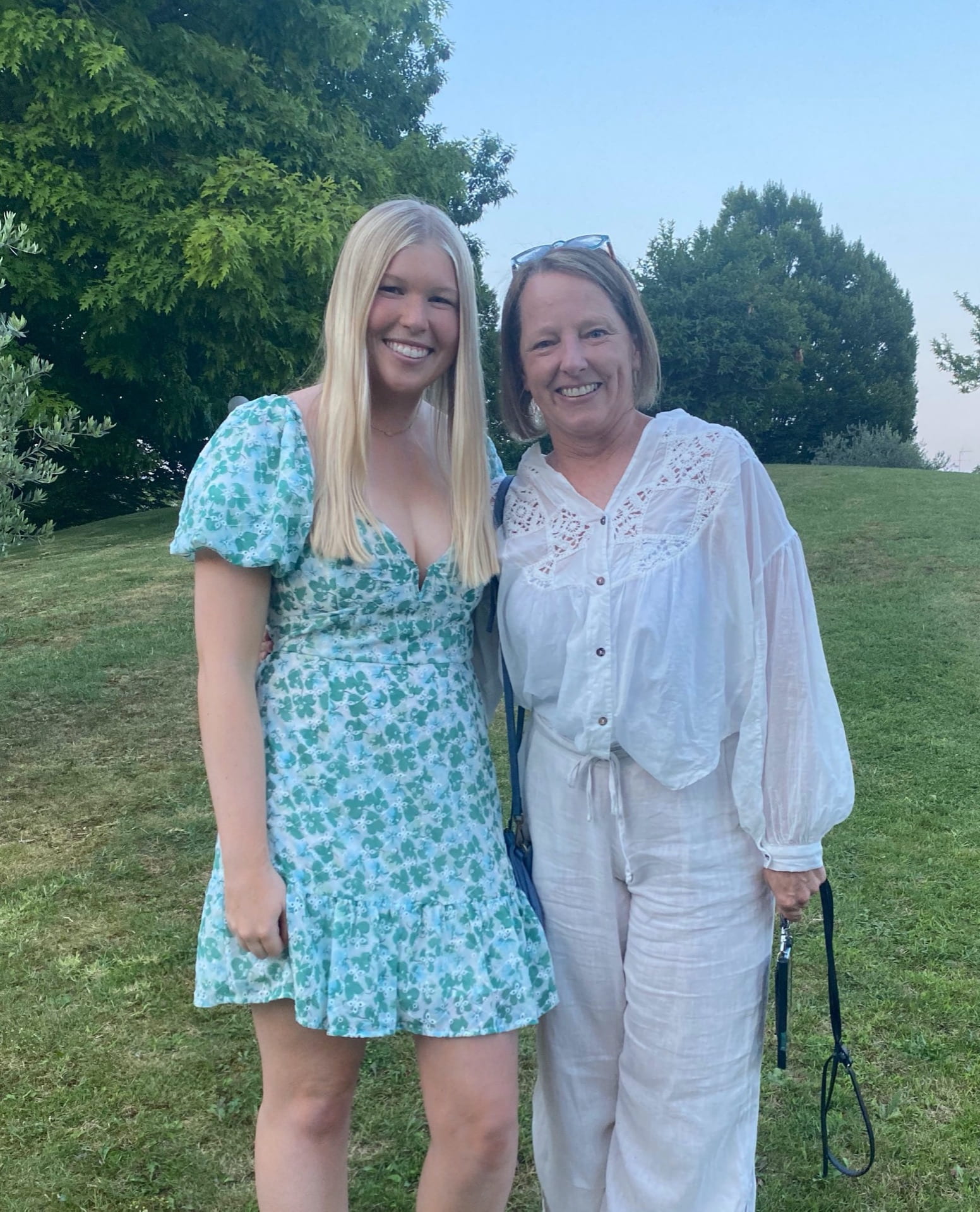
Alyssa's API Internship Abroad in Barcelona

internship abroad in barcelona
University Arkansas alumna Alyssa Jones spent the Summer 2022 completing an internship in Barcelona.
Blog post courtesy of API Abroad.

Are you wondering if you should study or intern abroad? If you’re unsure, sometimes hearing the stories of students who have gone before you may help you decide between your options. Take it from Alyssa Jones, a student at The University of Arkansas, who interned abroad at a mental health clinic in Barcelona, Spain. After going abroad to work in a different country, Alyssa shared her story with our API team. Read her experience below and learn why an internship abroad in Barcelona can be an exceptional choice for gaining hands-on work experience!

Alyssa’s Journey

Alyssa had always harbored a deep desire to travel and explore the world, sharing, “I found API through my university’s study abroad office and knew instantly that I didn’t want to just take classes, but really immerse myself in another culture. I wanted to intern in a facility that would benefit me in the future while also giving me hands-on experience.”

The Allure of an Internship Abroad in Barcelona

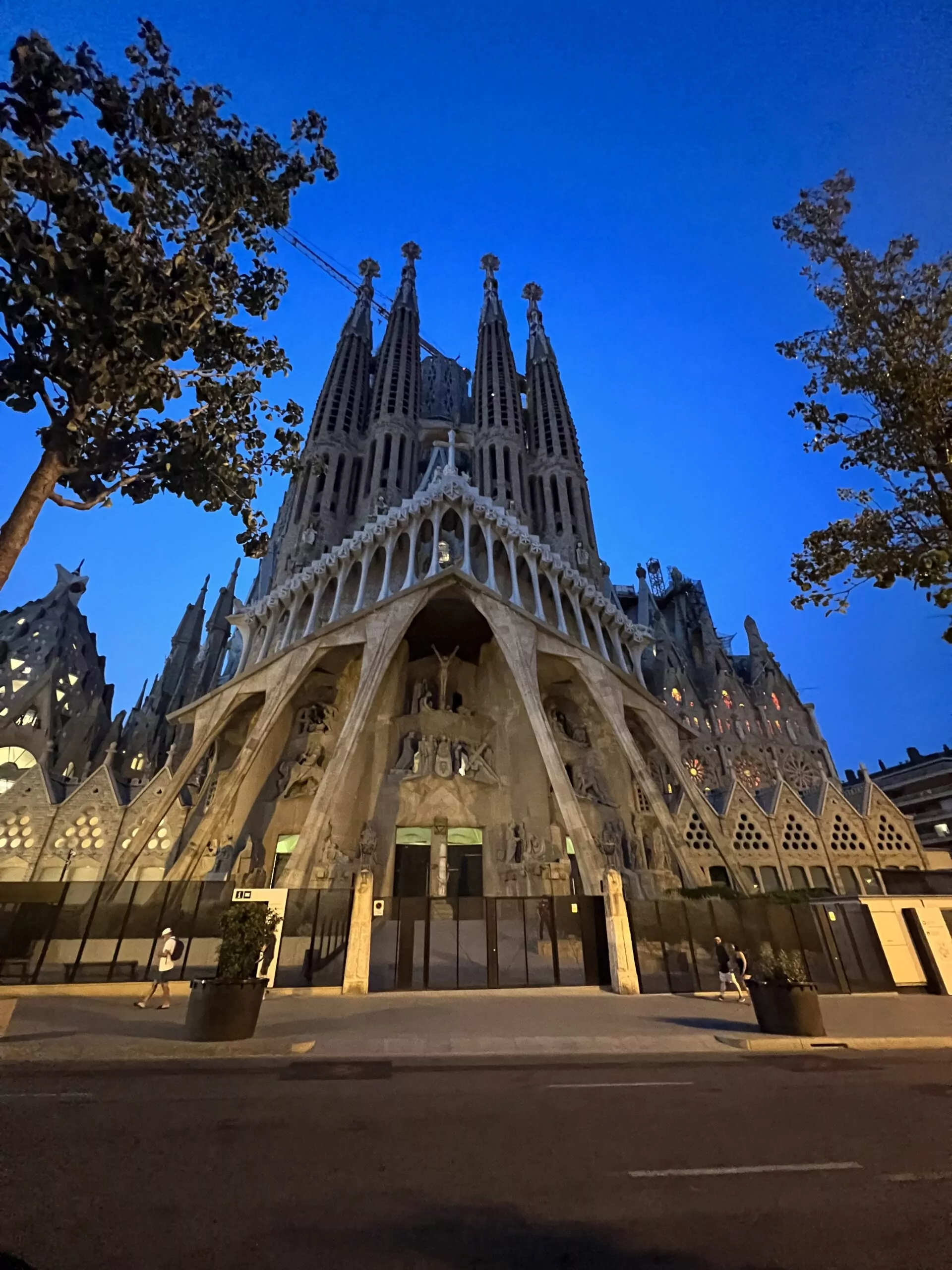
Choosing an internship abroad in Barcelona was an easy decision for Alyssa. The city’s stunning beaches, architectural marvels by Gaudi, and unique Catalonian culture all beckoned to her adventurous spirit.

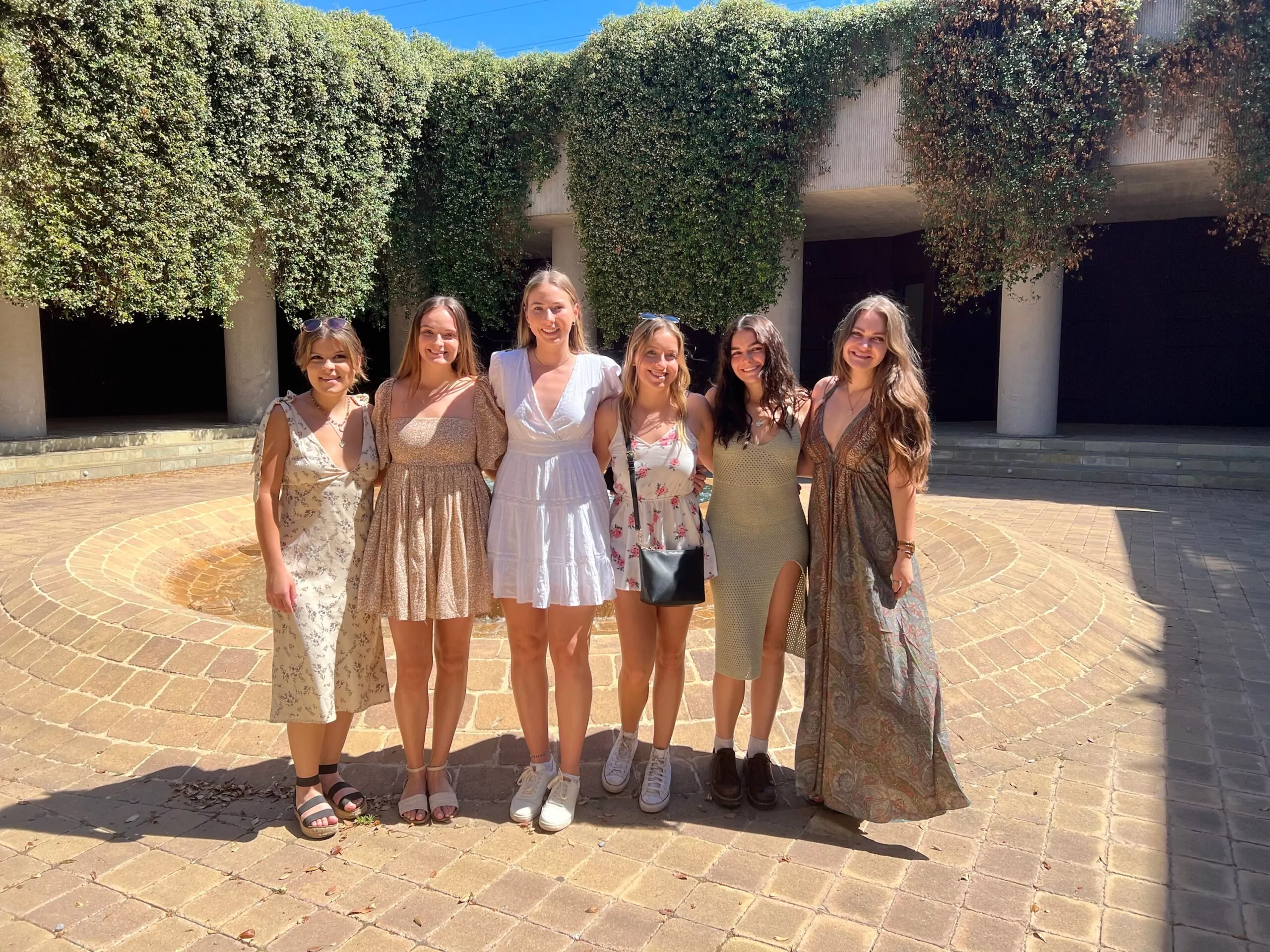
Upon arriving in Barcelona, Alyssa formed deep connections with her roommates. She lived with five girls from various corners of the United States, each pursuing different fields of study. Together, they embarked on a transformative summer abroad. From leaning on each other for support to sharing meals, they created lasting memories!

A Transformative Internship Experience

Alyssa’s internship at a mental health clinic provided her with a wealth of captivating stories. As a psychology major aspiring to work in that field, she gained valuable insights. This included a deeper look into professional patient interaction and the importance of building trust before effective work could begin.

One of the big takeaways for her future career were the marked differences in mental health treatment and perception compared to the United States. In Spain, she observed an emphasis on interpersonal relationships and talk therapy, which fostered trust between patients and providers. She noticed this contrasted the more medication-focused approach often seen in America. With this new global perspective from interning abroad, she will carry valuable knowledge into her studies and professional pursuits after graduation.

A Life-Changing Journey

Interning abroad in Barcelona turned out to be a transformative experience for Alyssa. She reflects, “Interning abroad was one of the best things I could have done not only for my professional future, but for my personal understanding of the world. Getting to immerse yourself in another culture is life changing and opens your eyes to a different world, pushing you to grow and adapt”

Alyssa continues, “I’m forever thankful to API and my intern abroad family for the countless memories and the experience of a lifetime!”

It’s Your Turn to Go Abroad

Feeling inspired by Alyssa’s journey? We have internship abroad programs waiting for you all across the globe where you can kickstart your career all while exploring new cultures. Check out other internship abroad programs we offer!
  

02 March 2023

Adapting Abroad: 5 Questions with Hanna Strombom

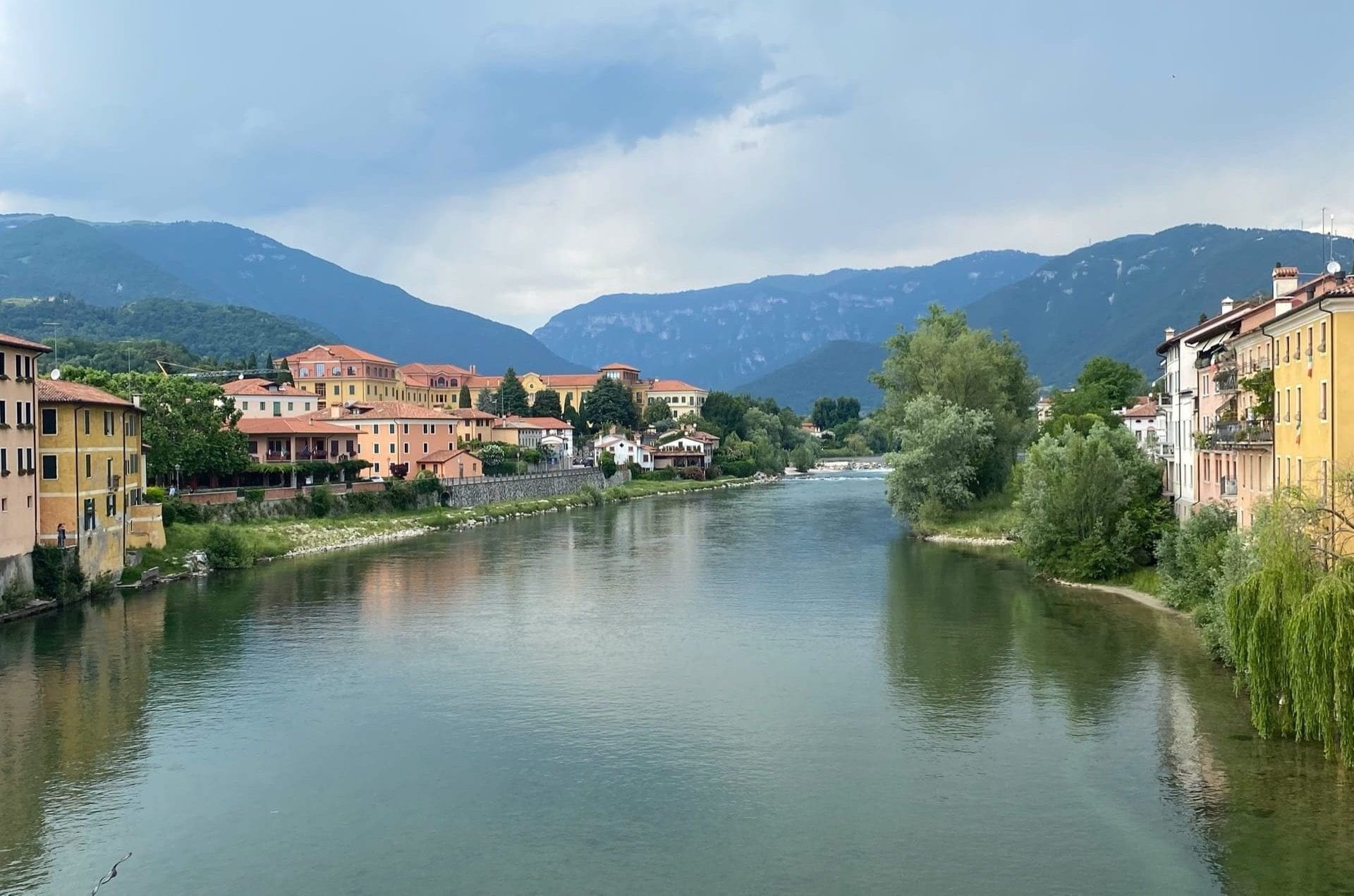
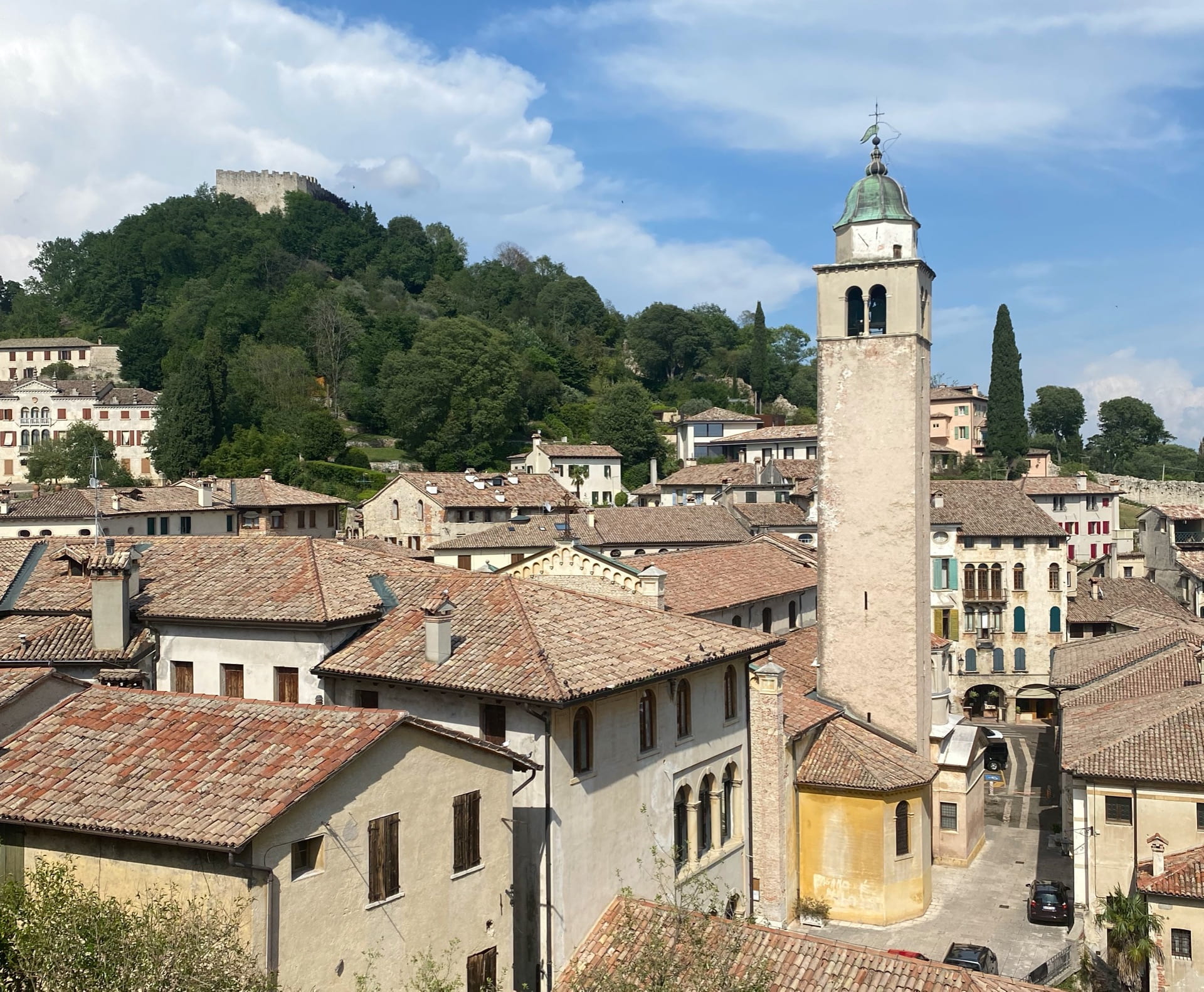
View of Bassano del Grappa, Italy.

Blog post courtesy of the Honors College.

Hanna Strombom is a fourth-year Pre-Med Honors student from Overland Park, KS, studying finance, accounting and biology. When Hanna had the opportunity to study abroad in Italy, she noticed that the experienced helped her emotionally grow and adapt. Her travels inspired her to research the correlation between studying abroad and improved mental well-being in college-aged students.

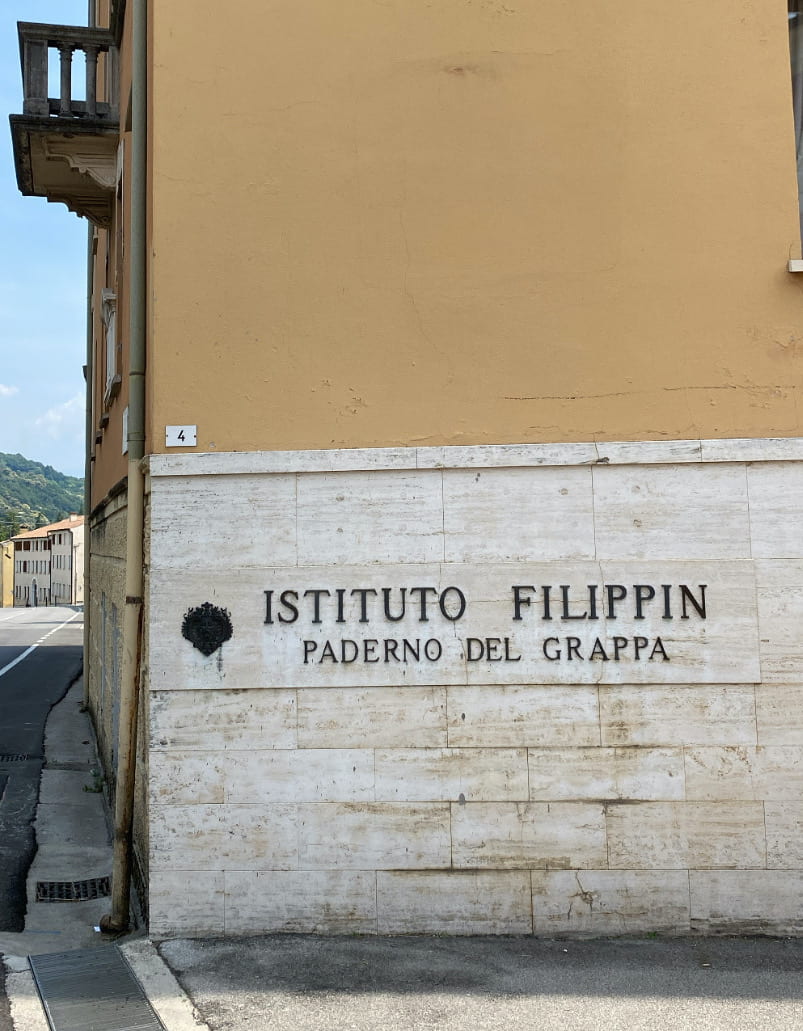
The site of classes and dorms on the Istituto Filippin campus in Paderno del Grappa, Italy

1. Why did you decide to research the mental health benefits of a study abroad experience?
I started with this topic because I studied abroad with the Consortium Institute for Management and Business Analysis (CIMBA) Italy Study Abroad Program in Paderno del Grappa with my thesis advisor Dr. Molly Rapert.

I am a business major but also pre-med, so I wanted to connect my interests in the medical field with my study abroad experience. I know that mental health is currently a concern for my peers. College-aged students are affected by mental health issues at alarming rates due to various pressures inside and outside the classroom. Since universities provide students with opportunities such as studying abroad to benefit their personal and professional growth, I wanted to see if there was a connection to their mental health.

I learned a lot of different skills during my study abroad experience. At home, I think I’m a naturally stressed-out person, I put 110 percent into all my schoolwork, and in Italy I learned to appreciate my relationships with people and to slow down sometimes.

Not everything went perfectly when we were traveling. For example, we ran into transportation strikes, so there was stress. But I was in the moment, and through those experiences, I met friends, and we worked together to problem solve.
 
Hanna with professor and thesis advisor, Molly Rapert, at a formal dinner at the end of the CIMBA program

2. What challenges did you face while researching your topic?
Through my literature review, I found lots of information that connected study abroad experiences to gaining new professional skills, learning adaptability or becoming more employable, but only short-term results were studied. My research focuses on the long-term effects and the emotional impact of the experience. One of the challenges was that I had to connect the mental health impact to the study abroad experience.

3. Your thesis uses pre-and-post data. What are the results telling you so far?
Students of the Summer 2022 CIMBA study abroad program participated in a pre-survey prior to their departure and a post-survey at the end of the program. The surveys included questions on the state of their mental health using the Psychological Wellbeing Scale and Hero Wellness Scale, which focuses on six main categories: autonomy, environmental mastery, personal growth, positive relations with others, purpose in life and self-acceptance. The survey also asked about program-specific aspects and their impacts on the growth of the student. Upon analysis of the survey responses, I compared the difference in responses between the pre- and post-surveys. The results show an increase in positive emotions and were statistically significant. For example, I saw across-the-board increases in the statement, “I like my personality.”

I also have an open-response section where students can leave comments. Many students mentioned challenges like cultural differences or language barriers, but I’ve noticed that most students traveling expect that there will be difficulties or times when they will feel uncomfortable. Still, they are excited to grow from the experience.
Hanna took a class field trip to the nearby town of Asolo and learned about the history.

4. Has your research experience impacted your post-grad plans?
It has impacted the medical programs I’m considering. I’m looking for schools that have study-abroad opportunities. My thesis has also inspired my travel plans; I went to Panama with Global Bridges this past winter break to serve on a medical mission trip. I want to see the world and not be confined to just the experience I’m used to here. It’s an incredible opportunity to learn from other people.

5. Do you have any advice for students pursuing their honors theses?
Connect with your interests first. I’m a finance major, and my thesis is not business related. The thesis process is a big task, but I’ve enjoyed working on mine because it interests me. I look forward to researching because learning about studying abroad is a passion of mine.

08 December 2022

What Does it Mean to be a Gilman Scholar?

    Studying Abroad, what a wonderful thing! You get to live this whole new life, in a new country, with new people. It’s a chance to put your life on pause and live out the dreams you’ve always had, or reinvent yourself to the person you’ve wanted to be. But this all sounds too good to be true right? Something only a rich person with unlimited money can do? False! 

    As a student who relies on FAFSA and other financial aid to pay for college, I did not think Studying Abroad would be an obtainable option for me. Let alone extending my semester into a semester and summer program in two different countries! What allowed me to do this extension was the Gilman Scholarship, it managed to pay the entire expenses of my summer study abroad program, including the flight. 

    What is the Gilman Scholarship? This scholarship is designated to undergraduate students who are receiving the Federal Pell grant (through FAFSA) at the time of their application. The student must be a U.S. Citizen or National, and the study abroad program chosen must be in an approved country, but don’t worry the list has almost 200 countries/territories that have been approved! 

    What’s the Gilman Scholarship’s purpose? According to the Gilman website, “A principal objective of the Gilman Scholarship Program is to expand international education opportunities by encouraging applications from students who have not previously studied abroad for undergraduate academic credit”. This is truly a great chance to get out and see the world without the stress of finding the funds to do it. There are normally two opportunities to apply each year, once in March and once in October. The scholarship is worth up to $5,000 which can often cover all or the majority of a summer program, or be a great start to funding a semester-long program! 

    So let me tell you about my trip! I got to go to the lovely city of Stockholm, Sweden and take part in the DIS program. With this program, I was able to take one of many unique courses, mine being Medical Diagnostics. This is a type of course I would not have expected to take until medical school. During the course, we were taken on two field trips, one to their big Hospital in Stockholm and another to a Mammogram center. This gave me and all the other students interested in medicine a new perspective to a healthcare system so different to our own here in the United States. Aside from such a great educational experience, I also had a great time with the new friends I made. In my session, I was the only Arkansas student (that I was aware of) which meant I would get to make all new friends all by myself! Intimidating at first, but easy once I got started. Six months later, I am still in regular contact with my roommate and our neighbor we became close friends with as well as a sweet friend of mine from the course I took. During our three weeks, we managed to travel all over Stockholm to all the big spots and hidden treasures. We also planned our own little trip to Oslo, Norway for a long weekend (another beautiful place I highly recommend). 

    As of now, I am back home at the U of A where I work at the Study Abroad Office. I get so excited when I get to talk to students about my experience and all the opportunities you have to fund your trip and make it happen. Being a Gilman Scholar will always hold a special place in my heart, and I will continue to advocate that every person eligible apply.


--
About the Benjamin A. Gilman International Scholarship Program
"The U.S. Department of State’s Benjamin A. Gilman International Scholarship is a grant program that enables students of limited financial means to study or intern abroad, thereby gaining skills critical to our national security and economic competitiveness. 

The Gilman Scholarship Program is open to U.S. citizen undergraduate students who are receiving Federal Pell Grant funding at a two-year or four-year college or university to participate in study and intern abroad programs worldwide."

06 October 2022

My Summer as an Immigrant Worker #HogsAbroad in Ireland

Hello! And welcome to my End-of-Summer-Abroad blog post. Before you go looking for a Start-of-Summer blog post, I will confess to you that there isn’t one. Though I have some great excuses in my back pocket as to why there isn’t one, the truth is that I just didn’t have it together when I got to Ireland. Not that I would’ve had many profound or productive things to say eight weeks ago; nothing had happened yet. Now, lots of things have happened. My abroad experience has been rather unique, I’d say, at least compared to the average Arkansas Abroad Experience. I am majoring in the largest major at our University (let’s hear it for the psychology department!) and yet am the only student from Arkansas who has gone abroad to this city (Dublin) with this program (Global Experiences). This fact has put me in a position of power: I (the blogger) get to tell my story however I like, and you (the reader) have nothing to compare my claims to. But don’t worry. I’ll do my best to give it to you straight, the good and the bad and the ugly of interning abroad as an American college student.

The comment I’ve gotten most often- and from people all over the world- is that I look oh-so American. I found this funny at first because I am not by any means a picturesque American girl. My hair is brown, my bust is small, and I have rather fair skin. Before coming to Ireland, I had this vision, this daydream, that I would come to Europe for the summer and blend flawlessly with the culture here. And though I have certainly been welcomed and immersed into the culture, it’s still very obvious that I have No Idea What is Going On. And nothing makes you look more American than that. 

The way I see it, America and Ireland have one big thing in common: both countries are isolated. Ireland is a relatively small island off the coast of Europe, accessible primarily by plane. For the Irish this phenomenon has brought them peace in recent years. Life here as of late is quiet, calm, and content. Many of their systems are the same as what you would find in central Europe, so they lack the ignorance we Americans have, but they have managed to stay out of any serious European drama (save the whole thing with Belfast). The Irish are perfectly content to mind their own damn business. America, on the other hand, is completely off in its own world. The USA is an island in its own way. With such minimal exposure to non-American lifestyles, we have no concept of how anyone else lives, or really that people live differently than us in the first place. We are raised with a value for centralized thinking that many European countries don’t have. Our generation of Americans is not expected to go travel before we are done growing up, and this cultural stagnancy has cost us a lot of knowledge. Something about living in a place where public transportation supports not just the city or country, but the whole continent, I truly believe makes a person invincible.

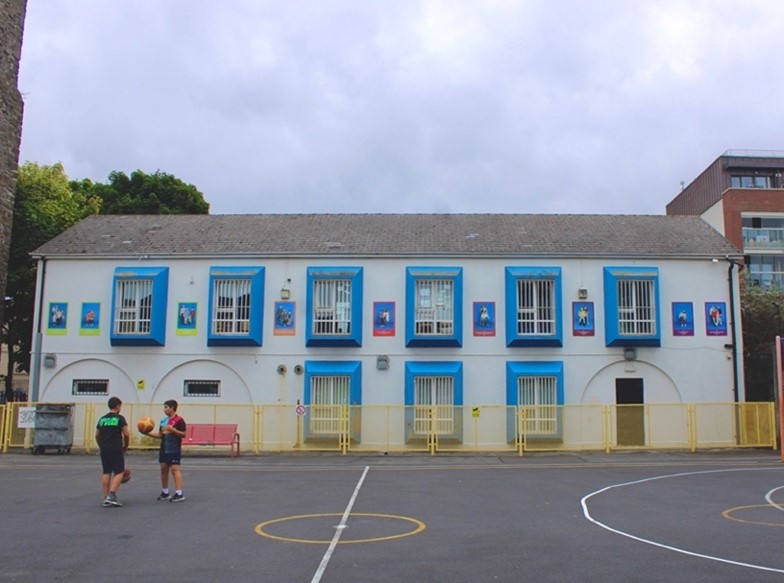
I am residing in Dublin, which is a huge immigration hub. This summer I am interning at a family resource center located in Dublin 1 (the descriptor “Dublin 1” serves as a zip code). Over 80% of the residents in the neighborhood are immigrants, and though the area is referred to as Dublin’s Chinatown, the residents come from all over. My job is to help habilitate immigrant families into the Dublin area. At least, that is how I will phrase it on my resume. The job is much less formal than the title implies. The organization I work with is called Hill Street. Before sharing any other information, I feel you should know that the property of “Hill Street” (which includes a main building, a basketball court, and 2 playgrounds) is also an old graveyard. It was literally built on top of a cemetery. The headstones still line the fence of the playgrounds because the city had nowhere else to put them. There is also a very old structure that isn’t technically a castle but definitely looks like a castle. Yes, they have a key and no, you cannot go inside (I asked). There are 8 employees at Hill Street; four are Irish, two are Chinese, one is Hungarian, and one is Brazilian. All are women. All consider each other- and now even seem to consider me- family. They are family to each other, and they are family to hundreds of families in Dublin. 

Throughout the year, Hill Street runs various programs to help set parents and children alike up for success in Ireland, as well as hosting a handful of events for the community. I call it a community, but I feel that word implies that this is a niche group of people with lots in common. That does not remotely describe the citizens of Dublin 1. The programs and events Hill Street puts on provide for thousands of people: families and children of business owners, technicians, office workers, merchants, and laborers, many of whom are immigrants or first-generation Irishmen. All of whom lack the village they need to raise their children. That is what Hill Street is there for. The program they are most renowned for at the moment is called “Prep for Preschool”. In Ireland, children are given two years of free pre-school before beginning real school at age 5. Often times immigrant children have never been away from their parents, since they have no friends or family in the area to help care for them. Many kids are incapable of handling more than a few minutes away from their mom and dad. Prep-for-Preschool introduces and acclimates them to a schooling environment slowly and builds their tolerance for being away from their parents. As the kids become more independent, and the length of their time apart grows, the parents are offered classes downstairs. There is a curriculum in place, covering everything from how to register for free healthcare to classes on speaking basic English. A plethora of information is made available to these parents while their 1- and 2-year-old children develop necessary social skills in another room, all for no financial burden. 

The event Hill Street is most renowned for at the moment is Chinese New Year’s. If you’re still reading this, please Venmo $5 to @peyton-mosman. I am saving for a plane ticket so I may attend in February of 2023. The celebration is incredible; it lasts several days and has over 5,000 attendees (even in COVID years)! There is even an avidly managed potluck style table set up, so families can share their culture’s cuisine. Authentic food from authentic people from China, Thailand, India, Poland, Ukraine, Brazil, Germany, Hungary, and many more countries, some I’d never heard of before. The children spend months preparing dances and performances. There is live music and a stage and even a cotton candy machine. I hope to attend someday, but luckily I was around for Hill Street’s Intercultural Family Fun Day (see photo above), which proved to be a slightly toned-down version of Chinese New Year’s, with about 1,000 people in attendance, including several members of the Dublin City Council.

If you’ve made it this far you may have pondered the question: how does Hill Street pay for all of this? Who coughs up the dough for an event for thousands of people? Who is maintaining the expansive property they use? To work in Ireland with children I was required to be trained and vetted by the Republic of Ireland, so I assumed this was going to be a government job. However, upon my arrival I learned that Hill Street is a privately run organization. Most of the funding comes from the Dublin City Council, and the money is directed towards an approved proposal. For example, Prep-for-Preschool and the Chinese New Year’s Celebration were approved proposals. More recently, when the conflict in Ukraine began just a few months ago, Hill Street proposed a bi-weekly day care for parents and children. This offered the mothers a place to network, to ask questions, to meet other Ukrainian families going through the same thing. It gave the children a sense of normalcy, access to playgrounds, and exposure to other kids. It gave them a community. The city of Dublin had placed dozens of Ukrainian mothers in the hotels in Dublin 1, where they stayed for months until more permanent housing became available, and their fathers and sons and husbands were able to come join them. 

Hill Street’s latest proposal is for a new building. My supervisor told me in my first week that Hill Street has a lot of respect from the citizens of Dublin right now. This proved to be true at the end of my third week when we got news from the Dublin City Council. They have approved a blueprint that will not disturb the really old building or graves. They have the backing of several important organizations and politicians. They have a timeline that estimates construction completed by 2028. The true details of how they have accomplished this are lost on me, naturally. My knowledge of how to obtain government funding in Ireland is minimal, but regardless, Hill Street is expected to have a new building by 2028!

As we approach the start of European Summer Holiday (the month of August), the entire country seems to be winding down. The Irish are very respectful of the 9-5 workday, and everyone gets a month off in August. If America is going to adopt any customs from Europe let it be that and the free healthcare. The program I have helped to put on over the last four weeks is referred to as Summer Camp. A group of 16 kids come Monday through Friday, 10 a.m. to 3 p.m., and we take them on three adventures. One to a local beach and one to a local park, both via public transportation, and one “Family Trip” via private rented bus. The family trip consists of the summer camp kids (a new group each week) and about 70 families from the area (a lot of the same faces I love). We are only responsible for the summer camp crew, with a ratio of 4 kids to every 1 adult. So, to put it in my perspective, I have spent the last month xtravelling Dublin, sight-seeing with some dear friends I have made over the summer, none older than seven or younger than two. Many of whom I am unlikely to see again. Some of whom don’t speak English, but hey, how much do you understand a three-year-old anyway?

Now, buckle in, because I am about to get to the most important lesson in this blog post. The cherry on top of this whole freaking thing. The fact is that the hardest part of study abroad is getting there. They give you so many hoops to jump through, so many meetings and emails and phone calls and decisions and scholarship opportunities that you really need because they also make study abroad so very expensive. And if you do all that, you will find yourself getting on a plane with no clue in the world what you are walking in to. And then you just live. And that is the lesson. Because if studying abroad has shown me anything it is that I can do it. I can make my way in the world. This is the first time I am the only one accountable for myself and this is the only time I will be accountable for only myself. I am so unbelievably young and free. And that is the beauty of being in your twenties.

And so, as this blog post (which has turned out to be far more heartfelt than intended) comes to its close, I want you to know that this summer I also travelled 6 out of the 8 weekends I was abroad. During the week I worked 9-4, but I got off early on Fridays and managed to see London, Spain, Italy, Switzerland, Belfast, and the Aran Islands. And although I could write an entirely unrelated blog post about why you should travel, the experience of actually working and living in another country is the part of my summer abroad that shaped me and enabled me to grow as a person over the last two months. They say the point of an internship is to learn what you want from your career. This experience has confirmed not only that this is the field of work I want to go into, but also that I want to work in Ireland. So, in a year, with a bachelor’s in psychology, I hope to go work and study in Ireland. It isn’t as warm as Texas, but with free healthcare and affordable education, Ireland has definitely won my heart.  

23 September 2022

Did Someone Say Siesta? #HogsAbroad Madrid, Spain Edition

Hi!! My name is Olivia Stusick. I am a Senior at the University of Arkansas, studying International and Global Studies and Spanish. This past summer I was able to participate in a University-Led Summer Study Abroad trip to Madrid, Spain!

When my mom was a senior in high school, her Spanish class took a trip to Madrid, Spain. Twenty-five years later, her daughter, a senior at the University of Arkansas, was able to study abroad in Madrid, Spain.

Ever since I started my college journey I knew I wanted to study abroad. This summer I was able to fulfill that dream before I graduate from the University of Arkansas this December.

I’ve spent this past month completing Spanish courses in Madrid, Spain at the University of Nebrija. My professors and peers were incredible and I loved getting to spend time with people from all parts of the world.
I was able to travel to different parts of Spain, like Segovia, Barcelona, and Valencia. I visited the Museo del Prado, saw MANY exquisite cathedrals, went to a flamenco show, ate yummy food, and mastered the metro.
After finishing my summer classes, I traveled to Rome by myself, where I saw my favorite painting of all time, The creation of Adam by Michelangelo in the Sistine Chapel. I also toured the Colosseum, the Roman Forum, and St. Peter’s Basilica. I ate a lot of Carbonara and am unashamed of the amount of gelato and chocolate croissants I enjoyed while gazing at the Trevi Fountain.
A European's lifestyle is one that an American can learn much from. Their value in daily rest, slowing down, and continuously enjoying the time and company of loved ones are all values that I will be implementing and prioritizing in my routine back in the states. Comment

14 September 2022

C'est la vie #HogsAbroad in Denmark

Hi! My name is Rebekah Reynolds. I am a senior Interior Architecture student at the Fay Jones School of Architecture + Design with a minor in music. This summer I participated in the Danish Institute of Study Abroad (DIS) in Copenhagen, Denmark.

I have been studying in Denmark for almost two months now, and there is this phrase I have begun using quite a bit since arriving in Denmark, c’est la vie. Now you may be saying, “but that’s French, not danish!”, and yes that is true, but somehow it has become a saying that I now associate with Denmark… oh well. Another thing you may be thinking is “that’s not the most positive outlook” or maybe “what even does that mean?”. C’est la vie translates to “Such is life”, and I would argue that rather than a negative outlook on life, it is a way of stating that not everything in life is in your control, and that’s ok. This is something I have learned constantly in my journey abroad, starting all the way back to the application process. 

I first applied to DIS during the spring semester of 2020, with plans to travel that summer. Within 4 hours of receiving my letter of acceptance into the program, I received an email informing students that due to COVID-19, no UARK students would be studying abroad that summer… c’est la vie. This is how I ended up studying abroad the summer after my senior year, and I wouldn’t have it any other way. 

Fast forward to arriving in Denmark. After many flight delays and stressful hours in the airport, I finally arrive in Copenhagen, only to be told that my luggage did not arrive with me. I spent my first week in Copenhagen with only my carry on bag, wearing the same two t-shirts and jeans, and you know what, I couldn’t find it in me to care! I thought “ why on earth should I be torn up about my lack of luggage when I’m in Denmark on a life changing journey?”, c’est la vie. And not to worry, I did eventually receive my luggage! (Pro tip- pack your carry on as if you will lose your luggage for a week). 

Moving on to the first time I actually heard someone say the words c’est la vie on this trip. When studying abroad through DIS, you go on a 1 week study tour in different countries (I went to Norway and Sweden), and it is basically a jam packed week of travel, meeting new people from other classes, and good times. What you can not expect is to feel well rested for the entirety of that week. After a particularly long day of travel (I’m pretty sure we were awake for 18 hrs), a professor used c’est la vie while discussing the trip and it caught on. I wish I could remember the context, but alas I was just a little tired. 

At this point in the trip I had realized that life going in an unexpected way had become a trend for me. This was something that a planner like myself usually did not enjoy, and yet every time life had taken an unexpected turn, amazing things came from allowing myself to let go and continue on. I came to Denmark without any close friends, and will be leaving with a group of friends that will be with me for life. I woke up each day with no specific plans, and let life decide what would happen. I branched out from my usual design habits in the studio and benefited greatly in the learning experience. I lived life to the fullest by not allowing myself to get caught in expectations but instead staying grounded in the now. C’est la vie.  

Now I have to come back to reality, and begin this new chapter of life as an official working adult. And though I am sad to end this chapter of  travel and school, I enter this new one with the wisdom that life isn’t in my control, but it’s better off that way. How else are you supposed to have fun? And so I leave Denmark with these parting words, c’est la vie.

08 September 2022

The Impact of Saying Hello

Hi there!

I am Taylor Howard, an incoming senior in the Walton College of Business studying Marketing with a minor in Supply Chain Management. This past summer, I spent a month in Rome, Italy and cannot wait to share my experiences through these blog posts. I was fortunate enough to attend the Marketing in Rome summer session taught by Molly Jensen and Heather Sprandel. 

I can confidently say that spending my summer studying abroad was the best decision I have made in college. That might sound a little extreme, but I truly believe I grew so much from my experience. Prior to my trip, I had never been anywhere in Europe. Or really out of the country at all. I prepared myself for the language-barriers I would face, cultural changes, and overall unfamiliarity of it all. Although I knew these things could be challenging, I was very excited to get an authentic taste of Italian culture.

Before beginning my official study abroad trip, my friend Gracie and I flew into Paris for a few days. Gracie at one point in college had a minor in French, which allowed her to have basic conversations wherever we went. For me, this was really my first time ever hearing French. Although Gracie taught me some basic words to help me get through conversation, I felt an odd insecurity about saying them. In my brain, it felt more polite to ask for things in English with a big smile than to embarrass myself by attempting French. I cannot begin to describe how wrong I was. When Gracie would order her food in French (even if she struggled to say it) the locals would beam at her. Meanwhile, I was not getting the same treatment AT ALL. Confused, I admitted to Gracie that I felt like the French people were being rude to me. That is when she explained the impact of the word “bonjour.” Although this might seem obvious to most, as a first time cross-border traveler, I did not think of the importance of at least saying hello in the language of the country you are in. Although I was aiming to be kind, respectful, and courteous everywhere I went - I was really coming across arrogant. I was there to appreciate their culture and yet was neglecting a huge part of it, their language.

After this enlightenment, I went on to my study abroad trip in Italy with a whole new attitude. Although almost every person I encountered in Rome spoke fluent English, I would always prompt conversation with a “ciao” and end it with a “grazie.” I opened my eyes and ears to their culture and practiced Italian anytime I could. This allowed me to create relationships with the locals while I was there. Servers, baristas, and taxi drivers were gracious and open to conversation. My biggest takeaway and advice for anyone planning to study abroad is to not be afraid of what feels uncomfortable. Speaking a new language that you know you are mispronouncing can seem very intimidating, but it is so greatly appreciated. You do not have to be fluent in a language to study abroad, rather be open to the basics. Learn what you can pick up and never neglect a chance to utilize their language.

22 August 2022

Life Lessons #HogsAbroad in Spain

“RyanAir’s employees are going on strike this weekend.”

Who would have thought one little sentence could inspire so much panic. I frantically began reading articles, scrolling through mentions of RyanAir on twitter, and researching our rights as RyanAir customers. Everything left me with more questions and anxiety than answers. I thought traveling in Europe was supposed to be easy!?

My name is Josie Zakrzewski, and I studied Spanish in Madrid, Spain for a month this summer. As a double major in International Studies and History with a minor in Spanish, Madrid was the perfect place to be. It truly is a global city; there is no doubt about its influence across media, politics, education, and more. Despite this, it has not lost sight of its unique history and culture, and its citizens talk with pride about the place they call home. I grew to deeply love Madrid over my four weeks living and studying there. My experience was overwhelmingly great, filled with good food, friends, and professors. However, being my first experience overseas, I expected there to be at least a few mishaps, and I wasn’t disappointed. 

After three weeks living and traveling around Spain, I thought I was a pro. My friends and I discussed just how comfortable we had become. We could navigate the metro, order perfectly (the first time!) in Spanish, and our stomachs were finally accustomed to the new diet which for me (a vegetarian) consisted largely of eggs, potatoes, and tomatoes. So, when my friend asked the group if we wanted to take a trip to Portugal our last weekend in Europe, we all agreed with little hesitation. We felt like experienced travelers at this point. What could go wrong?

My first mishap began when buying plane tickets. After spending an hour attempting to purchase my tickets from a rather sketchy website, I decided to give it a little research. “Is EDreams legit?” I googled. What was I met with? “NO! Run away, please, run away.” Ok, great, I thought, glad I researched before buying. Upon my return to the website, I attempted to cancel the transaction. What happened? I accidentally accepted the purchase. Frantically, I backed out and closed the tab, hoping it hadn't been processed. After 30 minutes with no email, I figured it was canceled and proceeded to buy tickets from the same website my friends had successfully used. As soon as I’d finished, I received a confirmation email from the initial “sketchy” website, “Your trip to Portugal is confirmed!” Oh, boy.

Lesson #1: Buy flight insurance that lets you refund your tickets. Better safe than sorry.

Now, geared with two round way tickets to Portugal, I felt overly prepared for the trip. Sure, I was out an extra $250, but ever the optimist, I was determined not to let it ruin the trip. Well, my optimism could not have prepared me for what came next: “RyanAir’s employees are going on strike this weekend.” The cherry on top.

No reliable source could tell me whether our flights were likely to be canceled or delayed. RyanAir employees were only able to guarantee that we would be “fully reimbursed” upon any cancellation. Good to know but not the issue. Our issue? Our flight back to Madrid was scheduled for Sunday at 11:30pm. Our finals were Monday morning. If anything happened to our flights, we would miss our finals (33% of our grade) and there were no makeups.

Lesson #2: Don’t trust cheap airlines to get you where you need to be. Especially if your entire program grade depends on it.

We ultimately decided after three full days of panic to cancel our plans to Portugal and accept our losses. I, however, was determined that our last weekend in Spain would not be a disappointment and began research on cities nearby that we could spend the weekend in. I found the furthest place from Madrid our public transport cards would take us: Guadalajara.

Airbnb booked, we boarded the bus to Guadalajara. What did we find upon arrival? Absolutely no one. The streets were desolate, and I began questioning whether anyone lived there at all. Where had I brought my friends? We ignored the elephant in the room (that Guadalajara seemed closer to a ghost town than any type of travel destination) and ventured on.

The first half of our day was rough. One person wasn’t feeling well, lunch was not great, and everything seemed to be falling apart. As we wandered back to our place for a quick afternoon nap, we stumbled across a street that had… people! We strolled down, happy to finally feel like we were not the only ones in the entirety of Guadalajara. We decided to take our nap and come back later that night to grab some dinner.

When we arrived later, music, laughter, and people flooded the street. In shock, we tried to figure out what was happening. We happened upon Guadalajara’s annual folk festival. We stopped to talk to the residents, who were happy to share in their culture, even gifting us each a traditional instrument from the region. We watched dancers and singers in traditional clothing in a parade down the street. We ended the night at a small concert that had been an empty park that morning. This time, it was far from empty. Singers, dancers, and the community of Guadalajara had come together to celebrate their shared traditions.

We stood in the back as they sang traditional songs, feeling privileged to be let in on what felt like an extremely intimate experience. Older folks sang along while kids laughed and played together in the street. My friends and I smiled at one another with the silent understanding that what we were experiencing was truly special. I was overwhelmed by the love and joy, completely forgetting about our lost trip to Portugal. What I experienced in Guadalajara was so much more important. It’s a memory that is permanently etched into my soul. 

Did our flights end up delayed or canceled? I still don’t know. I didn’t care enough to look them up.

Lesson #3: When airline strikes force you to cancel your trip, take a free bus ride to a city you’ve never heard of before. You might wander upon a festival you don’t know the name of and make one of the most meaningful memories of your life.

26 July 2022

Top Two Tips #HogsAbroad in Denmark

Hi all! My name is Avery Townsell, and I have just completed my 4th year at the Fay Jones School of Architecture + Design. I'm an Interior Design major currently studying abroad in Copenhagen, Denmark.


I'd like to take this post to share two of the things I have learned over the past five weeks. Most, if not all, of these things have helped me enjoy life a bit more, and I would like them to help you too!

1). Just do it! (not a Nike sponsor)

Studying abroad in a new country with a non-U of A program can be intimidating in multiple ways. Personally, one of the most nerve-wracking things was not having a dependable friend to explore with. I am relatively introverted, so the idea of "biting the bullet" or "just go do it" is what helped me kill two birds with one stone, I guess. It helped me push myself to leave my room and go to the common area, where there are always at least two to three people hanging out, to meet new people. And when there wasn't anybody around, it helped me learn to be comfortable and confident with exploring on my own. Basically, don't let anything keep you from experiencing something you might not get another chance to see. So go out, do, see, and try!

2). Don’t let anything get you down!

I do apologize for the cliche catchphrases, but I stand by them! This is potentially your only chance to study abroad, so don't let anything or anybody ruin it. My arrival in Copenhagen was a bit of a hassle that ended with me arriving hours after my original arrival time and with my luggage missing. As a chronic over-packer with a strong attachment to my things, you can imagine this was not fun for me. I was missing my luggage for eight days, with no clear information on where it was. It's been my dream to come to Europe for years, and the first few days, I couldn't even enjoy myself as I was too stressed out over my luggage. I pretty much had to mentally slap myself as a reminder of where I was and what I was lucky enough to be doing. I had to remind myself that the time I have is limited and to enjoy every second. I couldn't let myself waste time over something I couldn't control. And hey, I’ve learned what my essentials are of what I truly do and don’t need (haha).

Copenhagen is an amazing city! Being here has helped me develop more as a person, if only because this is the first time I've been alone. And being alone isn't always a bad thing. It helps you become more self-assured and settled in your skin.

--

You can start planning your adventure abroad today! Dive in to our Explore page at https://studyabroad.uark.edu/explore/index.php, and start your program search at http://studyabroad.uark.edu/search/

22 July 2022

Modern Art & Juliet #HogsAbroad in England

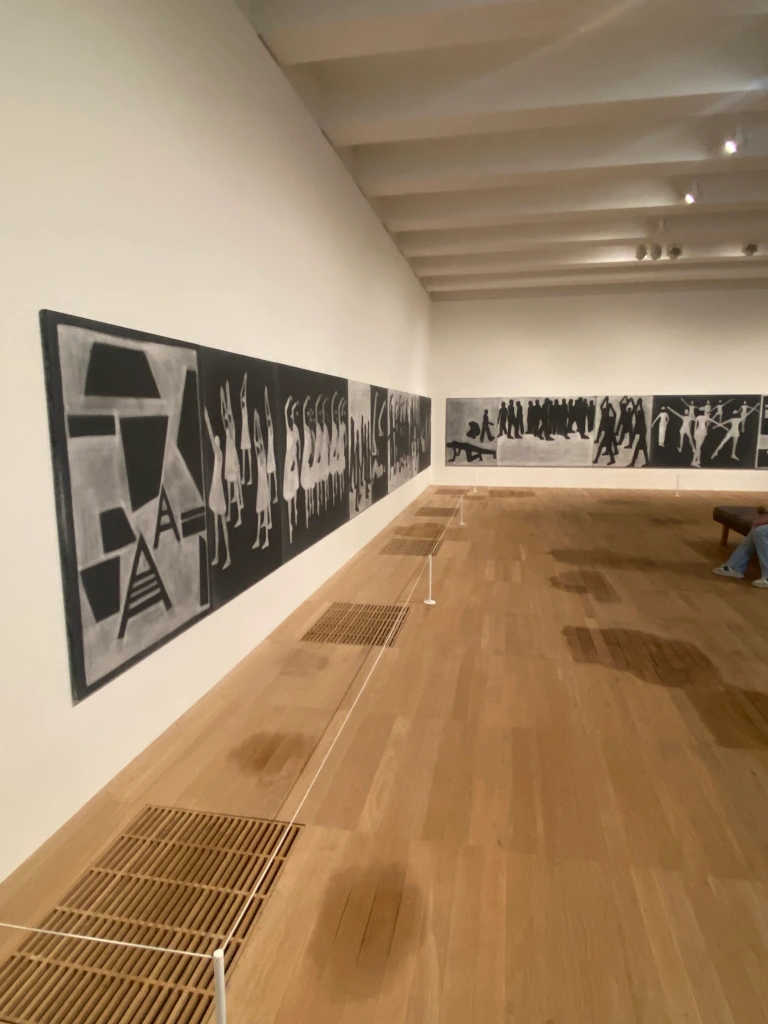
Today we went to visit the Tate Modern Art Museum. I was actually really excited to tour this museum as I have an immense love for art and find modern styles to be the most obscure, yet intriguing.

The first piece that really stood out to me was A series of images following one from the other. Eine Aufeinander folgende Reihe von Bildern 2018 by Silke Otto-Knapp.

Eine Aufeinander folgende Reihe von Bildern

The piece is made using watercolors and makes frequent references to ballet and modern dance. Being that I was a dancer and did ballet for over sixteen years, I was immediately drawn to this huge piece of artwork. In the gallery, there was a film running of the choreographies that inspired this piece, including Stavinsky’s Les Noces and Rainer’s Continuous Project Altered Daily. In addition, the whole piece is made using a single watercolor pigment, despite it looking like multiple shades of paint.

a preponderance of aboriginal blood

The next piece that really stood out to me was a preponderance of aboriginal blood 2005 by Judy Watson. These pages were all official documents from the Queensland State Archives overlaid with stains of blood to represent the systemic prejudice and violence that was result of these laws.

In total, there are 16 pages all of official discriminatory confronting’s towards the aboriginal people of Australia. When I walked past this piece, it forced me to stop and look at it because in a way it is so brutal, and purposely so.


After the morning at the Museum, I went and got Ramen for lunch, (yes again 😊) at a place called Tonkatsu. After that I went and walked around China Town, which has become one of my favorite spots to roam about in London. I stopped for some bubble tea at a place called Happy Lemon and got a Passion Fruit Green Tea with Lychee Jelly, and it was perfect and refreshing on a rainy day.

Tonkatsu

Happy Lemon

Later that evening, I got to see & Juliet starring Keala Settle and omg… just read my review because I loved this show immensely!!

& Juliet

--

Human Development and Family Sciences major and Theatre minor Hailey Anders spent the Summer 2022 term on the Theatre in London program with support from the Office of Study Abroad Scholarship and from Bumpers College. Read more from Hailey here

You can start planning your adventure abroad today! Dive in to our Explore page at 
https://studyabroad.uark.edu/explore/index.php, and start your program search at http://studyabroad.uark.edu/search/

18 July 2022

ULTIMATE GUIDE TO SCANDINAVIA #HogsAbroad in Denmark and Sweden

Hey y’all! My name is Tori Henderson. I’m a kinesiology major in the College of Education and Health Professions (COEHP). This summer I studied abroad for 3 weeks in Copenhagen, Denmark and 3 weeks in Stockholm, Sweden through the DIS program.

ULTIMATE GUIDE TO SCANDINAVIA + ADVICE

Copenhagen, Denmark

Copenhagen might have been my favorite of the two. It was a larger city than I’m used to, but it had a compact and “homey” feel to it. The colorful buildings and architecture that date back to the 1700-1800’s make you feel safe. The transportation system was incredibly easy and took you just about anywhere you needed to go. The city is extremely walkable- not to mention the beautiful views you see on your walk. The number of bikes constantly moving through the city was a bit overwhelming at first, but it becomes normal after a week or so. There are more bikes than cars and chances are you might almost get hit by one trying to cross the road (I’m mostly joking). I got the metro card since it tends to rain quite often in Copenhagen, but part of me wishes I did the bike pass since it is such a large part of the culture.

I took “Sports Medicine: Performance and Fatigue” and it was a super interesting class. It had a focus on human posture and its effects on growth and performance. My professor was Italian and was very passionate about what he taught, which made it that much easier to come to class every day. He made it very clear that at the end of the day that your grades do not define you, your experiences do, so he always made sure we were doing hands on learning and not stressing about grades. This was an extremely refreshing concept since I tend to hold a large amount of self-worth in my grades. This was one of my favorite parts of studying abroad because as I was learning information relevant to my major, I was also learning how to not be consumed in my studies 24/7. I will definitely be carrying this mindset into my senior year.

With all of that said, I had a lot of free time to explore the city. It’s not always super warm and sunny in Copenhagen, so when it was, everyone gathered and sunbathed. Every free patch of grass would be covered by a picnic blanket and happy humans. I have listed a few of my favorite places and recommendations below, but I recommend finding a friend and just wandering around after class because that is the easiest way to find the best places. Seeing the town from the water is a must if you visit - DIS offers a canal tour that was a beautiful experience. If you’re a sunset person, there isn’t a bad one in Copenhagen. The whole sky bleeds color so it feels as though the sunset is wrapping around you. I recommend watching it from the Nyhavn strip or finding a rooftop.

  • Reffen Street Food (20+ food trucks)
  • Wilders Plads Food Trucks
  • Nyhavn (Pinterest location)
  • Bastard Café (board games + food)
  •  Bertels Salon (cheesecake)
  • Tivoli
  • Ny Carlsberg Glyptotek Museum
  • Copenhagen Contemporary Art Museum
  • The King’s Garden
  • The Round Tower
  • Rosenborg Castle
  • Christianborg Castle
  • National Art Musuem of Denmark
  • Fresh Bagels (best bagels by DIS)
  • Rumors
  • Stereo Bar
  • Italiano
  • JUMP IN THE CANAL!!!!! 
Stockholm, Sweden

Stockholm is a very close second to Copenhagen. It is a larger city that is much more spread out. The transportation system can be intimidating at first since it is very complex, but after a few days you will figure it out (Apple/Google maps will save your life). I took my study tour during the second week here and traveled to Dublin, Ireland. I loved getting to visit another country while abroad, but it did make it a bit more difficult to settle into Stockholm.

While in Stockholm, I took “Precision Medicine: Tailored Treatment in Clinical Practice”. This was the perfect course for a pre-medical student. It had a focus on oncology which was super interesting. We also compared the healthcare systems in Sweden and Ireland throughout the course. The best part of the course were the hospital visits. My favorite was a visit to a wing of a hospital that specialized in breast cancer. We got to watch mammograms and ultrasounds being done on patients. We also got to witness a core-needle biopsy. Although it doesn’t count as clinical experience, I am very grateful for the exposure we were given. The course was heavily genetics based but I wouldn’t shy from it if genetics isn’t your favorite (it’s not mine!).

I didn’t have near as much time to explore the city since my course was heavier and we took a 5 day trip to Ireland, but I still have several recommendations. During my session, we were there for midsummer. I HIGHLY recommend scheduling your time in Sweden during midsummer. It was the most beautiful weekend and the easiest way to immerse yourself in Swedish culture. Skansen is the place to be during midsummers weekend or you could find a beach and relax. Stockholm is made up of cluster of islands - it is called the Stockholm Archipelago. With that said, seeing Stockholm from the water is a great idea. There are also many tours and ferries you can take from island to island. Stockholm also doesn’t have a bad sunset, especially if you watch it from Monteliusvagen. It is a bit of a hike up to the top, but the view is well worth it

  • Gastabud (incredible Swedish food)
  • Mister French (waterfront restaurant/bar)
  • Thaiboat
  • La Neta (if you miss Tex-Mex)
  • Monteliusvagen (sunset lookout point)
  • ABBA museum
  • Baras Stalle
  • Langholmsbadet (beach)
  • Skansen
  • Fotografiska
  • Gamla Stan (old town)
  • Subway art
  • Icebar (oldest permanent icebar!)


CONCLUSION

In conclusion, I can’t recommend studying abroad enough. A lot of people joked around with me before I left and even while I was there that I was going to come back a changed person. I didn’t realize completely at the time but studying abroad changed my outlook on life entirely. I met the most incredible people, and I satisfied my desire to travel and explore. I have always wanted to travel but I haven’t had opportunities to. This summer has sparked something inside of me that has been waiting to be lit. I feel like I have a stronger passion for living life rather than just going through the motions. All in all, if you have even been slightly considering studying abroad, do it. The anxiety and nerves that come with going somewhere unknown dissolve as soon as you get there and are encapsulated in the beauty around you. I thought 6 weeks was forever, but now that I’m back home I’m already planning my next trip to Europe. It is 100% worth it.

--

Kinesiology major Tori Henderson spent the Summer 2022 term in Copenhagen, Denmark and Stockholm, Sweden with DIS with support from the Office of Study Abroad Scholarship.

You can start planning your adventure abroad today! Dive in to our Explore page at 
https://studyabroad.uark.edu/explore/index.php, and start your program search at http://studyabroad.uark.edu/search/

14 July 2022

Slow it Down: The Truth About Travel, Stress, and Taking it All In #HogsAbroad in Roma

Hi! My name is Morgan Clupka. I’m a Fay Jones Interior Architecture major who studied Interior Architecture in Rome for five weeks this summer. I participated in the interior architecture summer program created by the University of Arkansas Rome Center, and am now blogging to share my experiences and what I have learned from them.

For me, as an interior architecture major, studying abroad is required to graduate. So, even though the thought of traveling without my family and leaving the country for the first time was quite nerve-wracking and scary, especially, with war and sickness as large topics in the world right now, I had to go abroad to earn my degree. In the end, this was actually a good thing for me because it got me out of my comfort zone. 

First Generation Experience

I never really was the type to fantasize about traveling the world or leaving the country. Mainly because my family has never had the means to do these things. As a first-generation college student, I have been the first in my family to experience a lot of things. All the way from the first to fill out the FASFA to the first to get a passport being a first-generation can be hard. Our families want to help us with these new experiences, but a lot of times they just don’t know how to help or even where to begin. Everything is a learning process. If studying abroad wasn’t required for my major I would have never been able to go because traveling abroad is not considered a financial priority for my family. I am very lucky to have had the opportunity to study in Rome this summer. It was a once-in-a-lifetime experience for me that I will never forget. 

The Hard Truth

To be honest, not everything was sunshine and gelato. Living in an apartment with three other girls, trying new foods, figuring out transportation, struggling with the language, etc. can affect people. Stress can make people act completely differently than they normally act on a day-to-day basis. This is one thing that I wish I would have fully understood before studying abroad. They tell us during pre-departure meetings and orientations that studying abroad can affect your mental health, but I did not expect the drama that would ensue from the stress of being abroad. In my apartment, my roommates and I struggled largely with communication in times of stress from tasks like transportation to and from places to things as simple as agreeing on a restaurant. No one's study abroad experience will be 100% perfect. 

Soak It All In 

Studying abroad, in general, is A LOT. You’re living in a whole new country, learning the culture, learning the language, taking in all new views, and you’re doing all of this basically by yourself. You may be lucky enough to have a few school friends with you, but you still won’t have the same support system that you are used to having back at home. Studying abroad, when it’s only for five weeks, is also very fast-paced. Everything was go, go, go. We had little time to rest and even less time to do the required homework. Rome itself is also very fast-paced, it can be hard to take it all in. My advice would be to take it slow and try not to get overwhelmed. There is no need to walk fast in the streets. Try looking around, maybe stop in a shop to check it out, grab a coffee, or if you are in a rush make sure to take note of fun places you see and want to explore later. Keeping visual reminders of everything I experienced was very important to me. I would recommend that if you have a phone with low storage like me, then you should invest in a flash drive that connects to your phone and stores pictures. Pictures will QUICKLY take up A LOT of SPACE. When I went on excursions, I took pictures of everything, even the tiny little details. Just don’t forget to put the phone down and take it all in with your own eyes in between photo montages.

Journaling

One thing that worked well for me was using a sketchbook to journal, sketch, and scrapbook my experience. I brought one of my favorite sketchbooks from home, but you could easily buy one from anywhere you are studying. It was actually required for my studio class that we fill four pages worth of our sketchbook for every class that we had. This added to a lot of sketches, as we had studio almost every day. Trying to keep up with this was definitely stressful. I would recommend if you are required to do this make sure you stay on top of it and do the four sketches everyday. If you fall behind four turns into twenty and that is basically impossible to find the time to do. Also, I recommend that if your classes give you a syllabus with a schedule on it, make sure you keep that and check it every day to see what you’ll be doing, how to prepare, and to keep up with outside-of-class assignments. I am grateful that I journaled and sketched for my classes because it gave me an outlet, a place to put all the fun things I had learned and seen during my time in Rome. I placed ticket stubs, metro passes, and postcards in there too for safe keeping and memories. Studying abroad was an excellent academic experience for me. I loved seeing all of the art and design from art history in person, all things that I had learned in class previous to the trip. It was kind of like getting to meet your celebrity crush or famous mentor. Tears of joy were definitely shed when visiting places like the Uffizi Gallery, the Laurentian Library, and the Sistine Chapel.

Coping Resources

Another thing that I would like to add about journaling your experience is that journaling can also help you cope with the stress and overwhelming emotions you may be feeling while abroad. You can write about how you feel each day and why you feel that way. Writing out how you are feeling often helps you process and it will be nice to look back later and remember exactly what was going through your head while you were abroad. Another resource for coping while you are abroad in Rome to be specific would be the staff at the University of Arkansas Rome Center. These people are here to help and they care about you and your experience abroad. They are super nice and will listen to anything you may be going through and need help with! 

The Bottom Line

With COVID still around I wasn’t sure if I would get to study abroad or if the experience would be as enriching as it had been for others in past years. After getting to study abroad recently I can honestly say that studying abroad is one of the most enriching experiences of a lifetime, even with COVID in the world. The only things that were affected by COVID were transportation (with the requirement of an FFP2 mask) and some of the places that were allowed to travel to and visit as a large group. This blog really only skims the surface of the overall study abroad experience and how exciting and fulfilling it can be. I hope if you choose to study abroad yourself, you will take my advice and take it slow, soak it all in, document memories, and reach out if you need help!

 --

Interior Architecture major Morgan Clupka spent the Summer 2022 term in at the U of A Rome Center with support from the Office of Study Abroad Scholarship.

You can start planning your adventure abroad today! Dive in to our Explore page at 
https://studyabroad.uark.edu/explore/index.php, and start your program search at http://studyabroad.uark.edu/search/