Search This Blog

Showing posts with label International Studies. Show all posts

23 September 2022

Did Someone Say Siesta? #HogsAbroad Madrid, Spain Edition

Hi!! My name is Olivia Stusick. I am a Senior at the University of Arkansas, studying International and Global Studies and Spanish. This past summer I was able to participate in a University-Led Summer Study Abroad trip to Madrid, Spain!

When my mom was a senior in high school, her Spanish class took a trip to Madrid, Spain. Twenty-five years later, her daughter, a senior at the University of Arkansas, was able to study abroad in Madrid, Spain.

Ever since I started my college journey I knew I wanted to study abroad. This summer I was able to fulfill that dream before I graduate from the University of Arkansas this December.

I’ve spent this past month completing Spanish courses in Madrid, Spain at the University of Nebrija. My professors and peers were incredible and I loved getting to spend time with people from all parts of the world.
I was able to travel to different parts of Spain, like Segovia, Barcelona, and Valencia. I visited the Museo del Prado, saw MANY exquisite cathedrals, went to a flamenco show, ate yummy food, and mastered the metro.
After finishing my summer classes, I traveled to Rome by myself, where I saw my favorite painting of all time, The creation of Adam by Michelangelo in the Sistine Chapel. I also toured the Colosseum, the Roman Forum, and St. Peter’s Basilica. I ate a lot of Carbonara and am unashamed of the amount of gelato and chocolate croissants I enjoyed while gazing at the Trevi Fountain.
A European's lifestyle is one that an American can learn much from. Their value in daily rest, slowing down, and continuously enjoying the time and company of loved ones are all values that I will be implementing and prioritizing in my routine back in the states. Comment

02 April 2021

Study at the Rome Center in Fall 2021 - Applications are OPEN!


Applications are open now for the Fall 2021 Semester in Italy through the U of A Rome Center. The deadline to apply is soon!

Visit the Rome Center Global Studies Program Website and Application to learn more.

The city of Rome, with its rich cultural resources, offers an endless source of learning opportunities for students from all over the world. Students are invited to view the city as a laboratory, where they can examine historical Rome and review the evolution of an urban context over 2,000 years in development. The semester program offers students an extended opportunity to explore the city's unique stratification and uncover the very different, and sometimes contradictory, transformations the city has undergone.

Situated in the heart of the city, the Rome Center is just minutes from the Vatican, Piazza Navona, and other legendary sites in Rome. Students live in close proximity to the center, tracing the paths of ancient Romans and centuries of Christian pilgrims as they make their way to classes each day.

Courses are offered from faculty traveling with students to Rome, as well as on-site local faculty. The great variety of coursework on offer will allow students from many majors to complete substantial credit towards their major/minor requirements. Check the 'Academics' tab for a full list of courses.

Program Features:
-Accommodation in one of the best neighborhoods of Rome
-Complete support from our Student Services Team
-Optional Weekend Excursions in Italy led by program faculty

See our Rome Center COVID Operations Plan for more on how we are responding to the ongoing global pandemic.

Learn more about the University of Arkansas home in Palazzo Taverna and our housing for students in central Rome on the Rome Center Website.

21 December 2020

International Diplomacy in Virtual South Africa

It was official. My St. Petersburg, Russia study abroad plans to polish my language studies and immerse myself into the culture for my career pursuits were officially canned. As the alarm bells chimed for the COVID-19 travel closings, I knew that my future aspirations to study abroad were as far from me as the shores of the Baltic Sea. But I was not deterred.

Equipped with the knowledge that I was only in my third year and that I could afford to bide my time until the storm had passed, I decided to take the initiative to venture out into the unknown. I figured that while everyone was adjusting their plans, that perhaps I could take the opportunity to try replacing my Russian travel arrangements with something just as beneficial to my international mediation pursuits. My eventual decision would take me sailing across some of the most frightening waters of my academic career into an unchartered territory that caused many a bold undergraduate to quake with fear: online internships.

Now where would one who is versed in Eastern European studies find a program suited for a career in international mediation? South Africa, of course! It was entirely unexpected. But as soon as the announcement fell into my inbox saying that positions for SIT’s brand-new virtual internship in diplomacy, conflict resolution, and international relations were open, I had to apply. But wait, this is in South Africa. Did I know anything about South Africa? …No. Did I find any other kinds of internships that fit so neatly into my academic and career plans as this one? …Also no. So I signed up, and I got in!

What settled some of my anxious nerves at the program’s outset was the knowledge that I, along with a small team of students, would be given a two-week orientation and a personalized crash-course of South African history. What I had not anticipated was the flexibility of the program and how spread out our entire team was. Not only were the program supervisors situated in their headquarters in Durban, South Africa, but many of my colleagues were located on opposite sides of the US and in other countries. Ooh, I’d have to get good at time zone math really quick! Our weekly synchronous sessions were all recorded and occurred at the convenience of both the supervisors and the students, so there was usually a lot of juggling on everyone’s part to make sure we could all be there and awake for the day’s lesson.

Despite our separation from one another over the virtual medium, the group’s dynamic was fantastic! We established an easy communications network via WhatsApp and email which allowed for us to help one another with our assignments and support each other during the rough seasons of the semester. The advisors always made themselves available for feedback and consultation, and the material we covered within a few weeks had given us the context needed to approach our semester-long task: the summary transcription of nearly 75 intergenerational dialogues across the world.

This semester as the world’s plans ground to a halt and nations had to prioritize the management of the pandemic, the non-government organization of ACCORD (the African Centre for the Constructive Resolution of Disputes) decided to momentarily turn its attention away from African politics and focus on helping its partners in the UN. We as interns for SIT, were assigned to aid ACCORD in their Global Peace project. This project would encompass a series of intergenerational discussions conducted by prominent leaders and representatives of the youth across the world to find practical solutions to global issues. Our group was tasked reviewing, analyzing, and transcribing summaries of the most salient points drawn from these dialogues for the UN Secretary General’s viewing.
This was some of the most intellectually stimulating and interesting work I had ever undertaken thus far. Listening in on these dialogue sessions and figuring out how to tailor their points for positive action became one of my new favorite academic challenges. I persevered through the program, encouraged in the knowledge that what I was doing had an impact on the processes of peace in the UN. I got to hear discussions from nations including Namibia, Honduras, and Iran, all focused on finding ways to make the future a better place. Despite the variety of participating nations, there was a unanimous call for action to establish youth representation in government, encourage entrepreneurial education, and to replace corrupt institutions.

This internship allowed me to interact with the international community in a way that greatly improved my communication and writing skills. Although the internship work was conducted completely virtually, it significantly broadened my horizons, contributed to my international experiences, and allowed me to perceive the world in a way that enabled me to work more effectively in the processes of conflict resolution, diplomacy, and mediation. I couldn’t recommend a better program to those considering work in international relations. The patience of the supervisors and their commitment to helping students learn how to conduct international operations of peace surpassed that of anything I had found in the states.
I would encourage all students to never give up on exploring the different paths to achieving their goals. Study abroad may have been halted by a pandemic, but the internship I had decided to take a chance on ended up showing me more avenues to the kind of work I wanted to go into than what I had expected. I implore the students who are facing obstacles to their aspirations to take the initiative to find the hidden paths that lead to their goals. If it’s worth a try, then it’s worth your all.

--
Amy McCampbell, a junior International & Global Studies major participated in SIT's virtual internship in South Africa: Diplomacy, Conflict Resolution & International Relations in Fall 2020. Learn more about SIT's virtual internships.

Interested in pursuing a virtual international internship? This innovative program allows students to put accessibility and mobility concerns aside to develop meaningful professional connections with international companies, NGOs, health and education organizations, and so on. Although it’s not a substitute for a traditional on-site experience, these programs provide a project-based pathway for students to connect with international organizations. Learn more about options to internationalize your degree plan by adding a virtual international internship to your semester.

21 October 2020

That One Time I Got to Play Fútbol with Locals #HogsAbroad in Argentina


Blog post courtesy of AIFS Study Abroad


It is no secret that fútbol (soccer) is extremely important throughout all of Latin America, but I have found this to be especially true here in Argentina.

Argentina has a long history of success with the sport on both international and local levels, and rivalries are strong on both levels as well. Coming to Argentina, I was really excited to embrace this emphasis on soccer, as I played the sport throughout my childhood and high school and was excited to be in a culture that placed it front and center — unlike that of the United States. I was even more excited when one of our program leaders organized a night for us to play fútbol in Argentina with the locals.

We held the game at one of the many indoor stadiums here in Buenos Aires and it was fun to watch some of the more competitive groups play while we waited for the field that we had reserved to be free. Our game was very casual and we split up into three teams so everyone would have a chance to take a break while other teams were playing. Honestly, I was a little nervous that my skills would be embarrassing compared to those of the locals, but they were all so kind and welcoming. Thankfully, my high school soccer days are not too far behind me, so I felt like I fit right in!

While playing a sport that I loved was super fun, my highlight of the night was getting to know the other university students who lived in Buenos Aires. It turns out that a lot of them were from other places throughout Latin America or Europe, so I had the chance to not only learn about Argentine culture, but also that of many other countries. It was so cool to connect with people from all around the world through something like soccer.


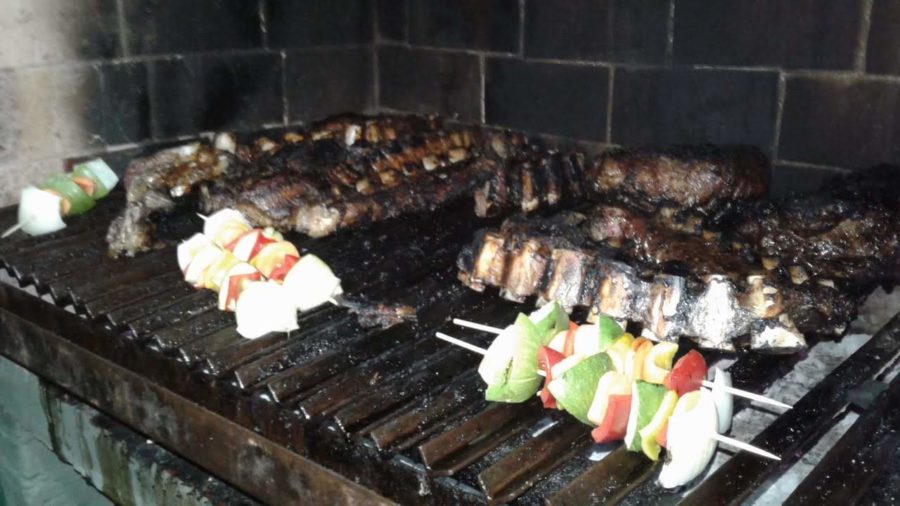
After the game, we rented a grill at the stadium and had a traditional style parrilla — similar to a barbeque-style grilled meal. I had eaten parrilla multiple times already during my time here, but this time was different because I was eating it with Argentinians. For them, it was just a typical part of life. During the meal, we were all able to relax and share stories about our various soccer experiences from the past and I learned that some of my new friends played at a semi-professional level!

This night was one of the times throughout the semester that I felt the most a part of Argentine culture. For the other students, a soccer game and parrilla is a normal Saturday night and I was so grateful that they invited me to be a part of it!

--
Political science major Megan Rodgers spent the fall 2018 semester studying abroad with AIFS in Buenos Aires, Argentina.

"My name is Megan Rodgers and I am a sophomore Political Science, International Studies and Spanish major at the University of Arkansas. I believe that experiential learning is one of the most important parts of a well rounded education and within my field of study, study abroad is the perfect opportunity to fulfill that goal. I chose to study abroad in Buenos Aires because it is the perfect place to study a wide variety of political and cultural topics while increasing my Spanish proficiency and enjoying life in one of the biggest South American cities!"

Don't miss your opportunity to study abroad! Start your search at http://studyabroad.uark.edu/search/

06 October 2020

Navigating Public Transportation in Buenos Aires #HogsAbroad in Argentina #TravelTuesday


Blog post courtesy of AIFS Study Abroad


As I prepared to study abroad, I was warned about the many difficult transitions that I might face. I knew to expect culture shock, homesickness and difficulties caused by the language barrier so I made efforts to prepare myself mentally to face these challenges. However, for me, one of the most difficult adjustments that I’ve had make living in Buenos Aires had nothing to do with culture or language or distance from loved ones. But rather, that for the first time in my life I am living in a large metropolitan city and therefore have to figure out the craziness of public transportation.

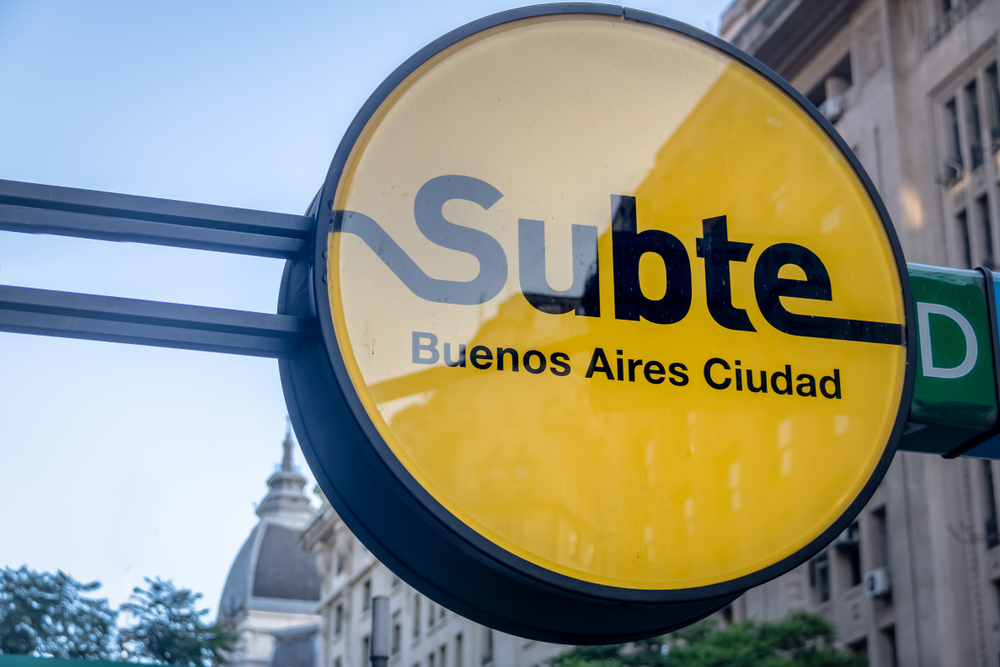
I have never lived in a city with a big enough population to support a substantial bus system, much less a metro. The subte (metro) here in Buenos Aires is fairly easy to navigate, but it was still extremely intimidating to me at first — especially during high traffic times when we manage to fit more people in one subte car than I would have ever imagined possible. However, due to its more simplistic layout, I quickly learned to embrace the chaos and it was a huge confidence-builder when I began to be able to navigate it easily and use it regularly without fear and with confidence that I knew exactly where I was going.

The buses, by comparison, can be extremely confusing, as there are over 200 different routes and you have to know the city well enough to know when you want to get off or the bus will just keep on going. For my first month of living here in Buenos Aires, I let my fear of the bus system prevent me from going to events or places that were not accessible by other means of transportation. But eventually I got tired of letting my fear make me miss out on amazing opportunities and took my first solo bus ride to an event on the other side of the city.

Buenos Aires is a huge city and it is impossible to know every route, so the city has an app called “Cómo Llego” that works similarly to a GPS to tell you what bus to take, where to find it, and where to get off. However, you still have to know when you want to get off and there is no system announcing where you are. Therefore, I learned that I could follow myself on my downloaded Google Maps and know exactly when I need to get off. The bus system is still intimidating for me, but I am slowing learning more and more routes and, after getting over my initial fear, I have found that it is much easier than I originally thought.

The train is the last mode of public transportation that I have yet to completely figure out, but I took my first train ride last week. Now that I understand the system I look forward to the new places I can reach by taking the train!

The city is also filled with taxis, which are always my fall back if I’m not sure how to get some place and don’t have the time to figure out the public transportation — or if I don’t feel safe taking public transportation for some reason. But as taxis are significantly more expensive it has forced me to step outside of my comfort zone and fully embrace city life with all of the glories of public transportation.

Despite all of these amazing options for public transportation, I have found that one of my favorite things about living in Buenos Aires is its walkability! Now that spring is coming here (Pro tip: the seasons are the opposite of the United States) and it’s getting warmer, I have found myself skipping on public transportation when I’m going to relatively close locations and just walking instead. This has given me the opportunity to know the city better, window shop and discover lots of new restaurants and parks near my homestay.

After living here for almost 3 months now, I have come to view public transportation in Buenos Aires as a perk rather than a drawback. There are routes all over the city, it has forced me to step outside of my comfort zone, embrace the Buenos Aires lifestyle, and get to know this beautiful city even more!

--
Political science major Megan Rodgers spent the fall 2018 semester studying abroad with AIFS in Buenos Aires, Argentina.

"My name is Megan Rodgers and I am a sophomore Political Science, International Studies and Spanish major at the University of Arkansas. I believe that experiential learning is one of the most important parts of a well rounded education and within my field of study, study abroad is the perfect opportunity to fulfill that goal. I chose to study abroad in Buenos Aires because it is the perfect place to study a wide variety of political and cultural topics while increasing my Spanish proficiency and enjoying life in one of the biggest South American cities!"


Don't miss your opportunity to study abroad! Start your search at http://studyabroad.uark.edu/search/

01 October 2020

Exploring South America: 5 Weekend Trips from Buenos Aires #HogsAbroad in Argentina #ThrowbackThursday


Blog post courtesy of AIFS Study Abroad


As amazing and exciting as the city of Buenos Aires is, one of my favorite parts about studying abroad here has been the opportunity to travel around the Southern Cone and get to know the rest of Argentina outside of the city. I just now got back from my last of five weekend trips from Buenos Aires during my time here and I would love to share with you a bit about each of them!

Here are five weekend trips from Buenos Aires, Argentina that you can’t miss.

1. La Colonia del Sacramento, Uruguay


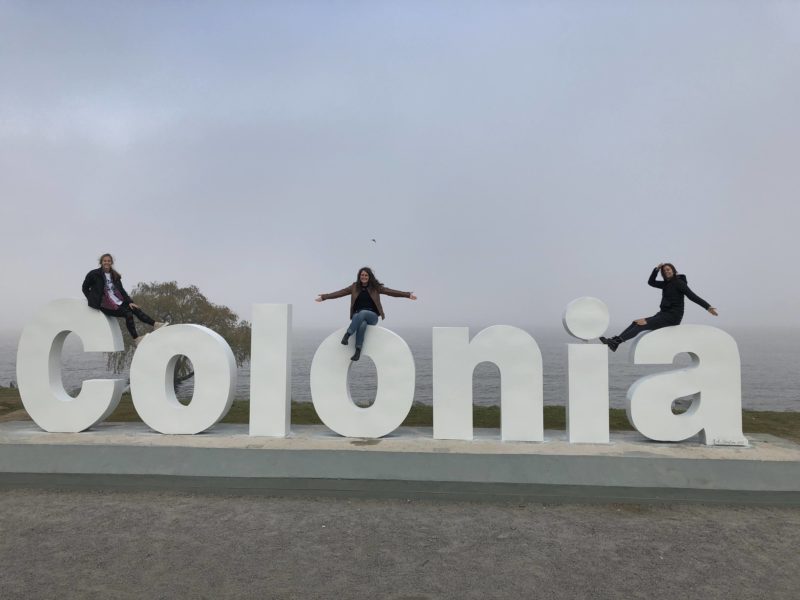
This trip was actually only for one day and it was organized by AIFS which made it super convenient and fun because I didn’t have to plan anything. La Colonia is just across the river in Uruguay, so we woke up early to take the ferry and spend the whole day there.

We spent our morning on a bus tour and then a walking tour, and then had the rest of the day to explore the town on our own. I really enjoyed my time in La Colonia because it allowed me a glimpse into the Uruguayan culture. The town has lots of really interesting history and architecture due to the fact that it changed hands between the Portuguese and Spanish seven times during colonization. Colonia is also a common weekend vacation spot for people from Buenos Aires, as it has a small beach on the river and is really quiet and calm.

2. Mendoza, Argentina

Of all my weekend trips from Buenos Aires, Mendoza was my first independently planned one. I was a little nervous but it ended up being lots of fun. My friends and I took an overnight bus from Buenos Aires to Mendoza that was surprising comfortable and rented an Airbnb for our time there.

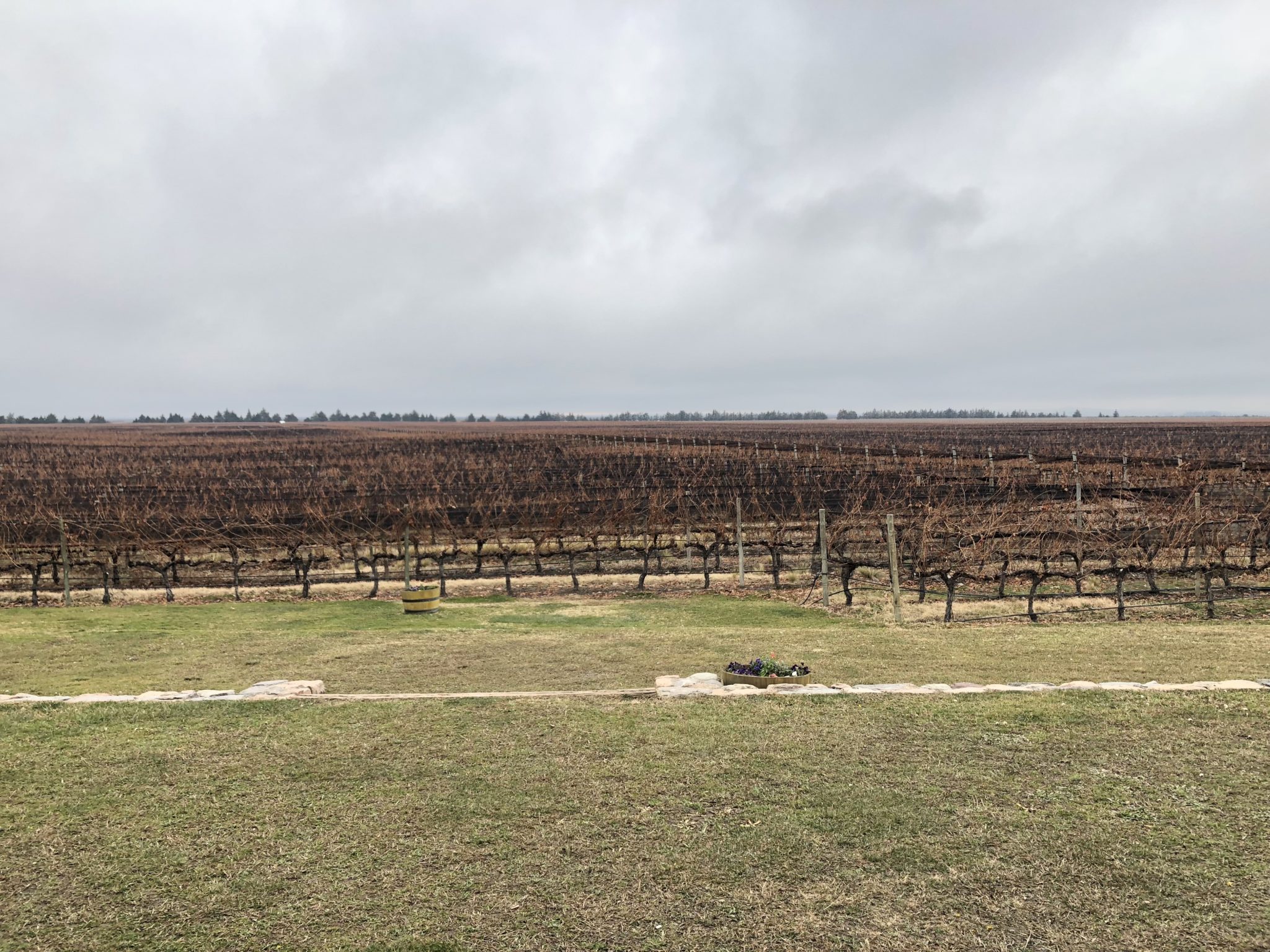
We were only there for a long weekend, so we spent one day exploring the city itself, one day on a tour of the Andes that stopped at Mount Aconcagua (the tallest mountain in the Americas), Puente de las Incas (a small Incan settlement) and the border between Argentina and Chile, and for our last day we took and all day wine tour.

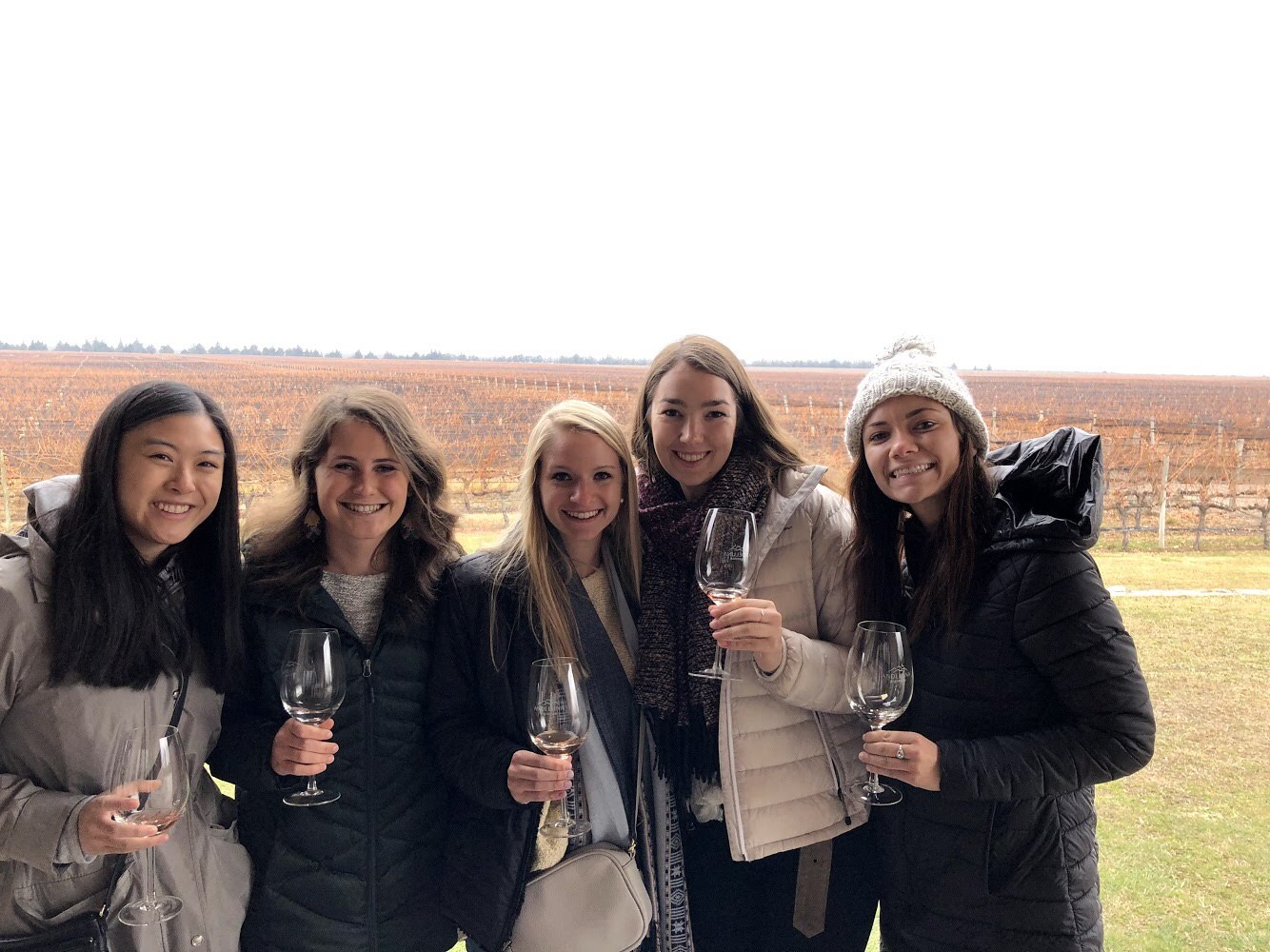
Mendoza is known for being the wine country of Argentina, so we enjoyed the traditional Argentinian Malbec, but there is so much more to do in Mendoza than just wine tastings. My favorite day was our day in the mountains! There are horseback tours, a natural hot spring, bicycle routes and hiking. If you are in the mood for a relaxing weekend outside of the city, I definitely would recommend Mendoza!

3. Santiago and Valparaíso, Chile

The third trip weekend trip that I took was to Santiago and Valparaíso, Chile. This was my first time staying in a hostel and it was so fun getting to know our companions, most of whom were from Brazil. We spent two days exploring Santiago and then took a bus to the costal town of Valparaíso for the day.

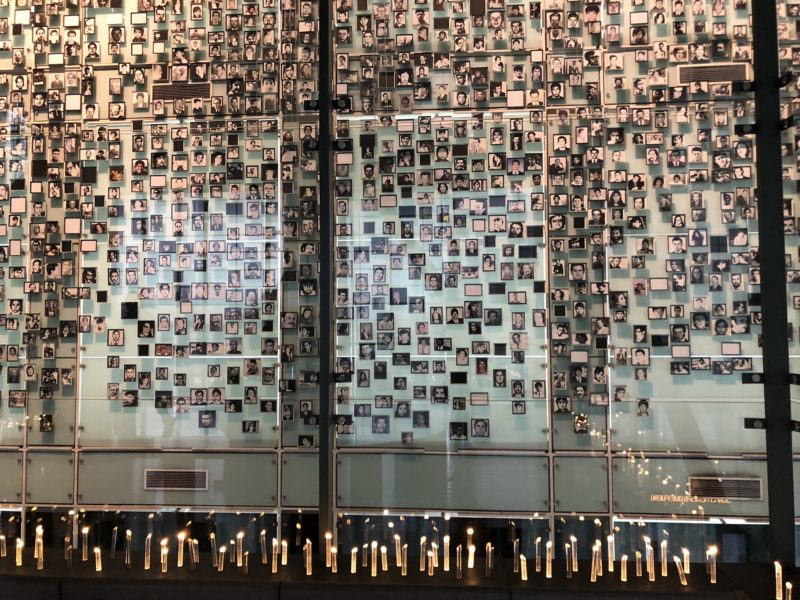
Santiago is known for its “cerros,” which are big hills throughout the city. My friends and I spent a lot of time hiking to the top of these cerros to enjoy the amazing views of the city and the Andes mountains in the background. Additionally, one of my favorite parts of Santiago was the human rights museum that was built to commemorate victims of the Pinochet dictatorship from the 70s.


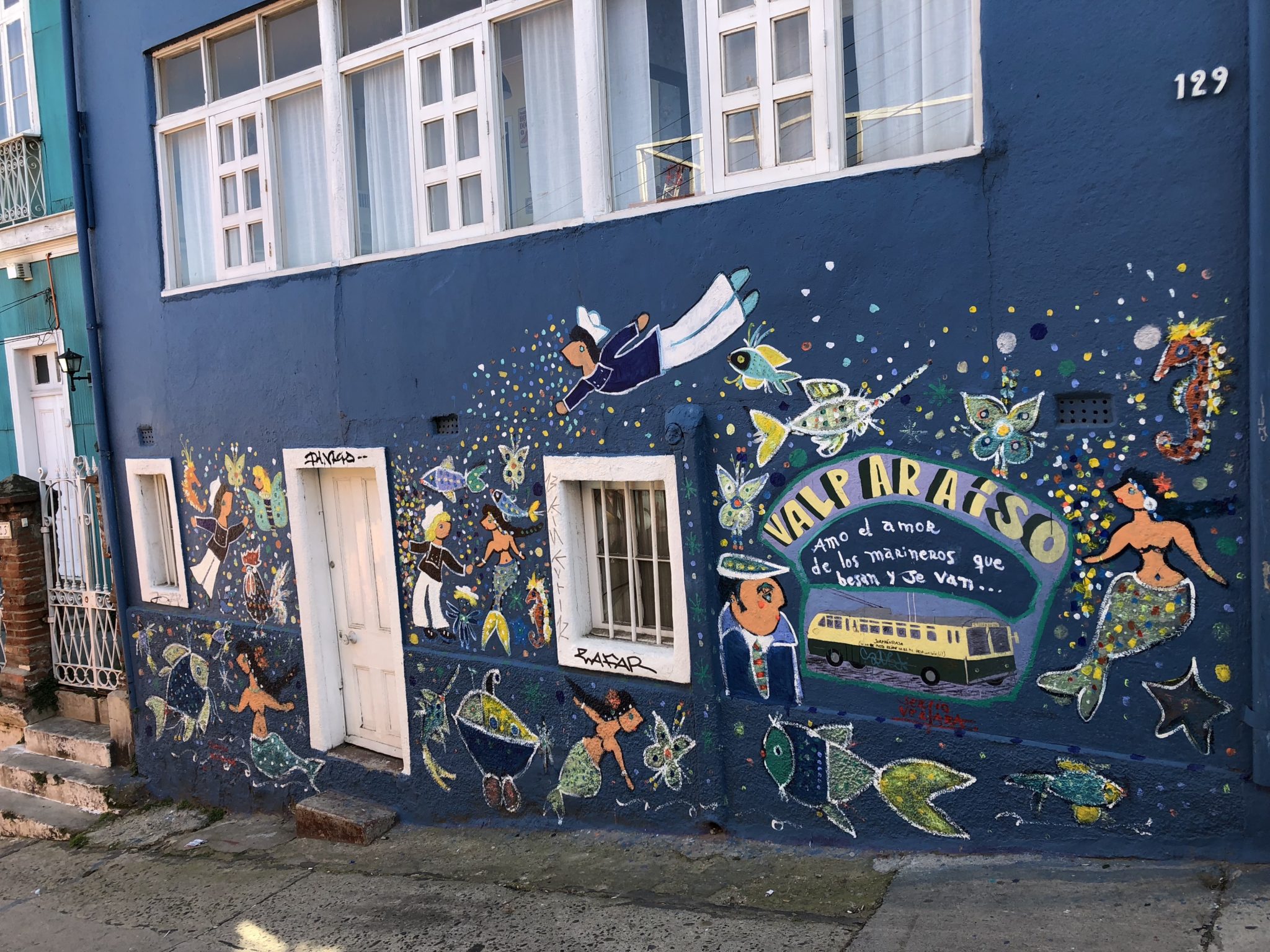
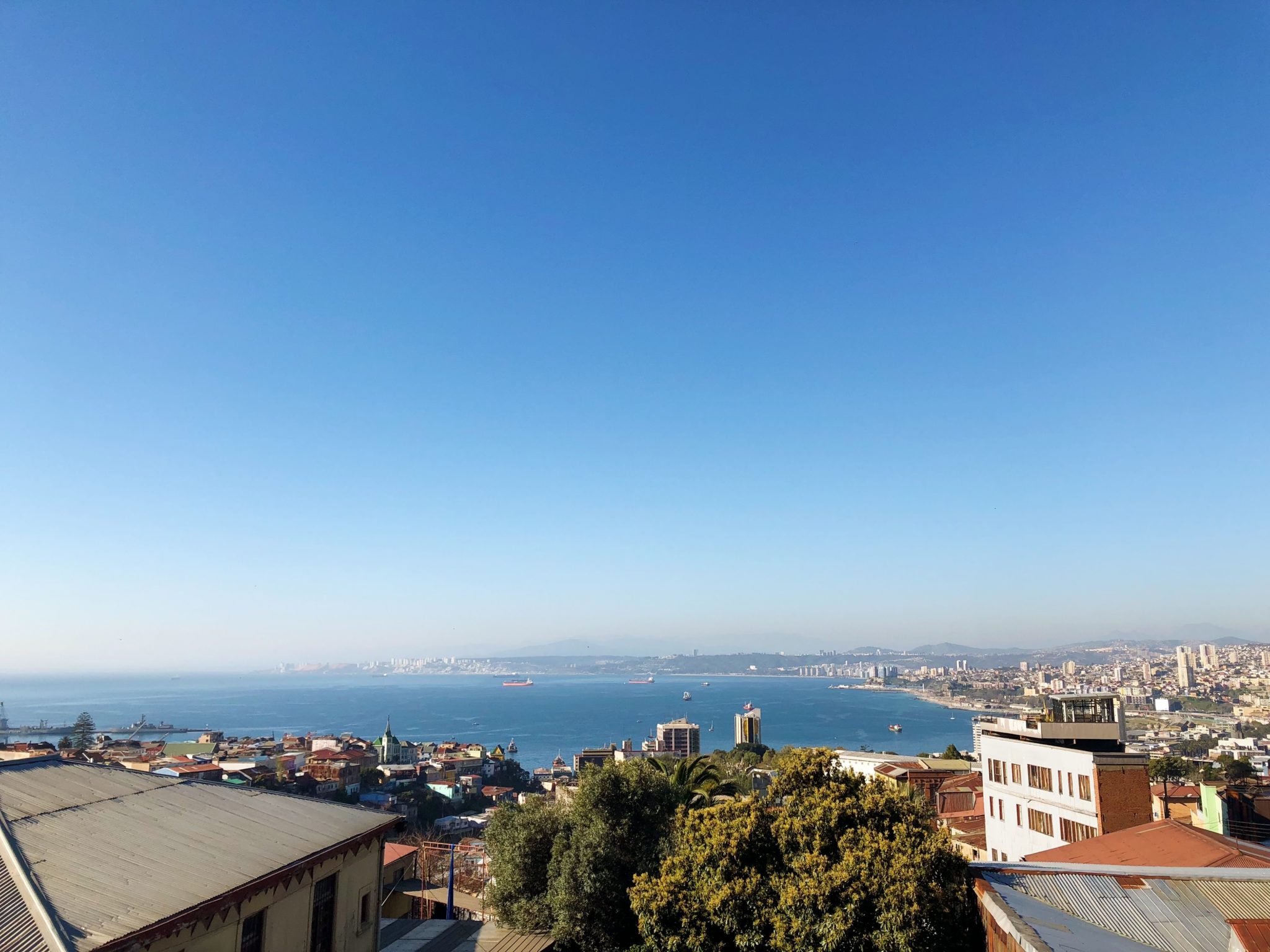
Our day in Valparaíso was my highlight of the trip. The coastal town is picturesque, with brightly colored buildings built into the side of a steep hill, artisan markets, a beautiful harbor and delicious seafood. I would definitely recommend this trip — it allowed me to see a bit of the Chilean culture and enjoy some great views!


4. Iguazú Falls, Argentina

My fourth trip this semester was to Iguazú Falls in the northeast corner of Argentina. This was one of the optional trips from Buenos Aires through AIFS and it was really nice to have someone else in charge of the logistics for the weekend, and to have our amazing Resident Director, Eva, with us!

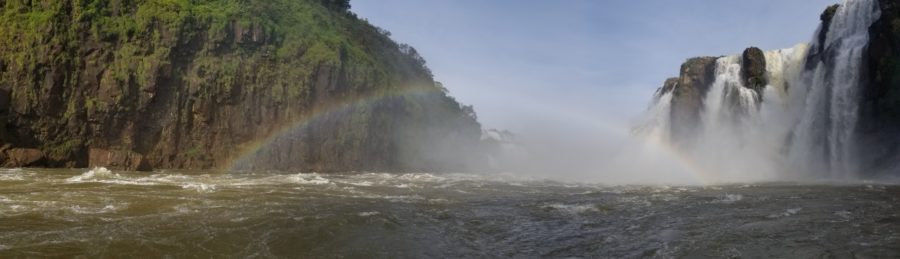
It was a quick trip, so we spent one day exploring the town of Iguazú and visiting the “punto de las tres fronteras” where the borders of Argentina, Brazil and Paraguay meet. We then spent the entire next day in the Iguazú Falls National Park. This may have been my favorite trip because the views were absolutely spectacular and, after being in the city all semester, it was really nice to enjoy nature for a bit.


There truly is no way to explain how amazing these falls are without being there in person to hear the rumble and feel the spray, so I’ll just say that if you study abroad in Buenos Aires this is an absolute can’t-miss opportunity.

5. Chaltén and Calafate, Argentina

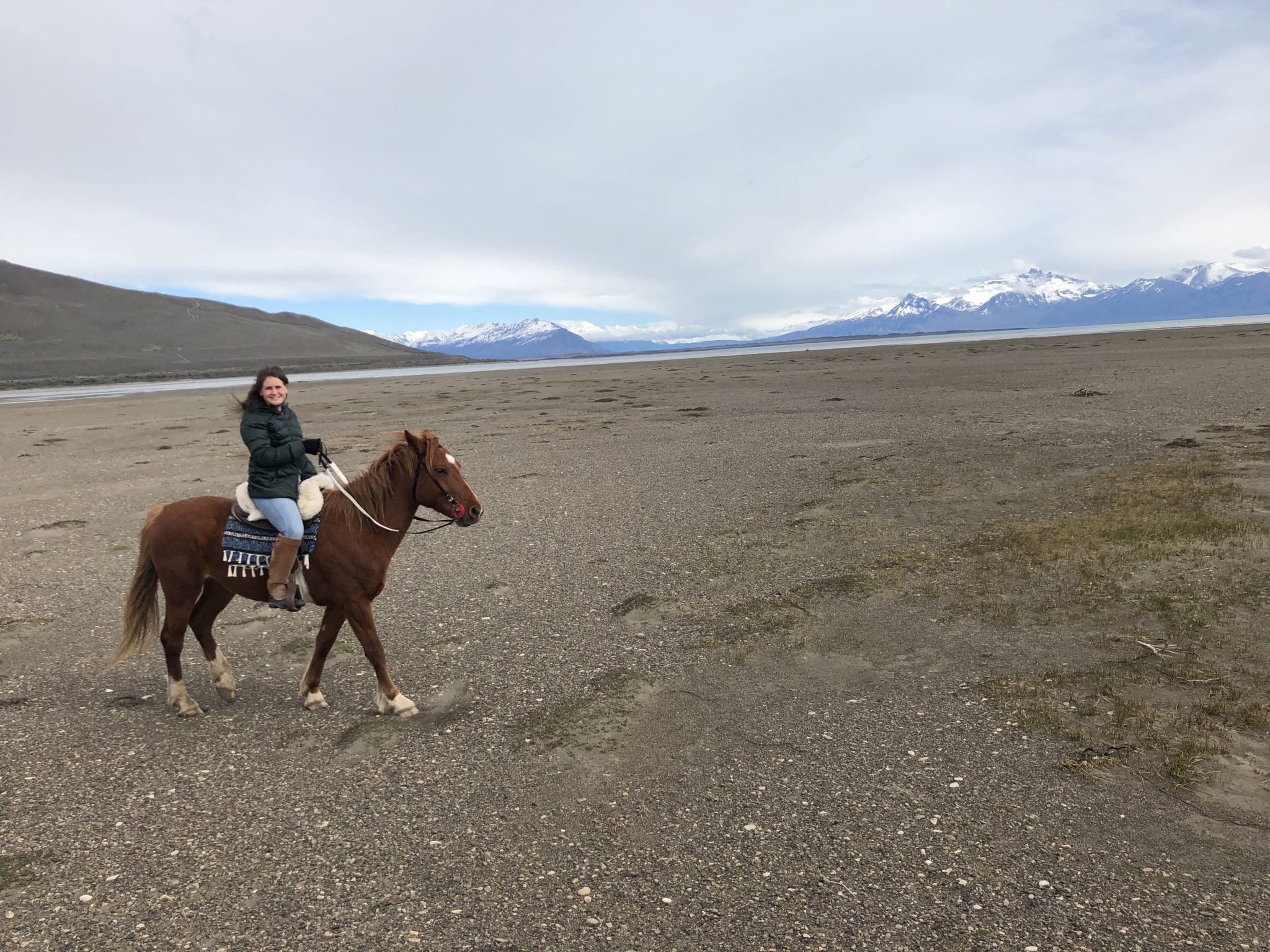
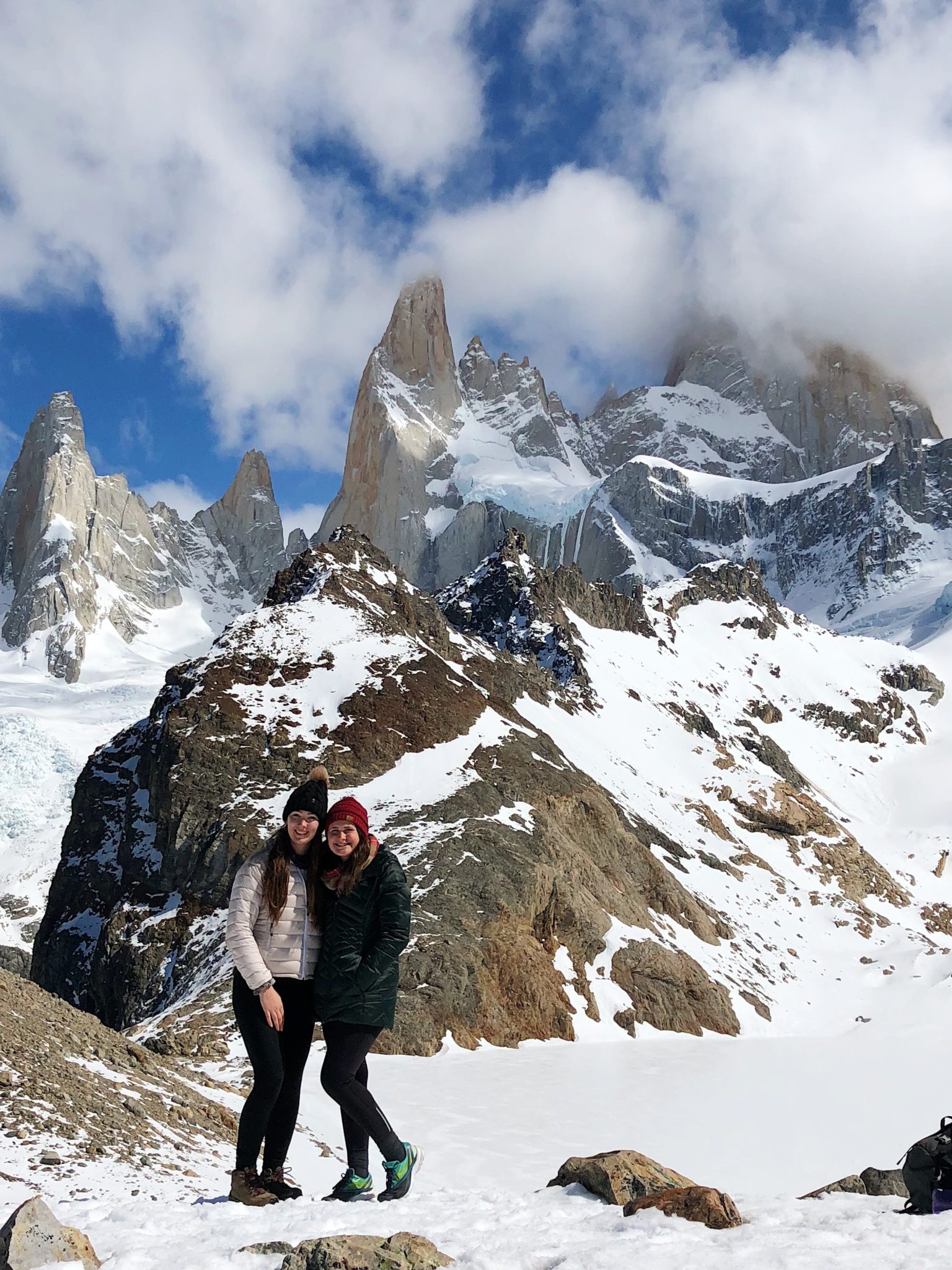
No semester in Buenos Aires is complete without a trip to Patagonia. Patagonia is a huge expanse of land that covers southern Chile and Argentina, so there are lots of places to choose from within the region, but I chose to visit Chaltén and Calafate because they are home to the famous Mount Fitz Roy mountain range and the Perito Moreno Glacier.

We spent our first four days hiking in Chaltén, which is known as the trekking capital of the world. My highlight from this time would definitely be hiking the Mount Fitz Roy trail. It was definitely not an easy hike, but the views were incredible.

After Chaltén, we spent two days in Calafate which is the closest town to the Perito Moreno Glacier. We took a full day tour of the glacier, seeing it from different angles from the boardwalk and on a boat, and finishing the day with a mini trek on the glacier itself. Trekking on the glacier was a surreal experience and may be the highlight of my entire semester! It may just be because it was my most recent trip, but visiting Patagonia was hand down my favorite.

There are so many other places throughout Argentina and the rest of the Southern Cone that I would love to explore, but unfortunately I am almost done with my semester — so naturally I am already planning my return trip. Argentina is such a beautiful country and I would 10/10 recommend spending your semester here so you can enjoy all that it has to offer!

--
Political science major Megan Rodgers spent the fall 2018 semester studying abroad with AIFS in Buenos Aires, Argentina.

"My name is Megan Rodgers and I am a sophomore Political Science, International Studies and Spanish major at the University of Arkansas. I believe that experiential learning is one of the most important parts of a well rounded education and within my field of study, study abroad is the perfect opportunity to fulfill that goal. I chose to study abroad in Buenos Aires because it is the perfect place to study a wide variety of political and cultural topics while increasing my Spanish proficiency and enjoying life in one of the biggest South American cities!"

Don't miss your opportunity to study abroad! Start your search at http://studyabroad.uark.edu/search/

25 September 2020

Food Allergies Abroad: Living a Gluten-Free Life in Buenos Aires #HogsAbroad in Argentina #FoodieFriday


Blog post courtesy of AIFS Study Abroad

For most students, one of the things that they look forward to the most about study abroad is trying new foods and experiencing the culture of another country through its cuisine. Unfortunately, for me this was actually one of my biggest concerns. When I was 11 years old I found out I had celiac disease, meaning that I am allergic to gluten. At home I have been able to adjust my lifestyle so that my allergy does not influence me at all, however it can be difficult for me to find gluten-free options while traveling. But I was not about to let that stop me from studying abroad and having the greatest experience.

Thankfully, AIFS was able to work with me to find a homestay that would accommodate my gluten allergy. My host mom, Marta, is the sweetest lady and she has gone out of her way to provide me with gluten-free options. Instead of the usual toast or pastries for breakfast, she bought me rice cakes and gluten-free cereal. She has even started making homemade gluten-free bread so that I can have toast when I want it!

Dinner might possibly be my favorite part of the day, as Marta constantly goes out of her way to provide me with gluten-free versions of all of the traditional Argentine meals. From tartas to millonasa to empanadas, I have been able to experience all of Argentina’s favorite foods despite the fact that they are traditionally full of gluten. Additionally, Marta always double-checks with me about things that she is unsure about, giving me the chance to practice my Spanish vocabulary that relates to food and cooking, and giving Marta and I a unique way to bond as we work together to find gluten-free alternatives.


Eating out is also far easier than I had imagined it would be. The Argentine government started an initiative a few years ago requiring restaurants to provide gluten-free menus to their guests and waiters here often understand my requests for food “libre de gluten,” “sin TACC,” or “para celiacos” better than waiters in the United States do.

Additionally, due to the fact that Buenos Aires is such a big city, there are many restaurants that cater especially to celiacs. There is a bakery a few blocks from my apartment where I go every week to get empanadas, pastas and sweets for the week. The lady who owns the cafe is so sweet and every time I stop by she asks me about my classes, helps me with my Spanish and asks about my experience finding gluten-free options. There is also a restaurant in a nearby neighborhood with a full gluten-free menu and one of the best gluten-free pastas I have ever tasted.


The normal diet in Buenos Aires in full of bread, pastry and pasta due to their Italian roots. However, the people here are so accommodating and there are so many different options that I have never struggled to find something that I can eat. I also have several friends here who are vegetarians or vegans and were afraid that there would be a lack of options due to the traditional gaucho dependence on meat. Just like me, they have been surprised by the vast array of vegetarian options and the extent to which their host families and the people in Buenos Aires will go to in order to accommodate them and make them feel at home. I am so glad that I did not let my food allergy prevent my decision to study abroad and am so grateful for the ways in which people here have gone out of their way to provide me with food that is delicious and gluten-free. My allergies have not hindered my study abroad experience at all. In fact, if anything they have made the situation better as they have revealed to me just how amazing and welcoming the people of Buenos Aires are.

--
Political science major Megan Rodgers spent the fall 2018 semester studying abroad with AIFS in Buenos Aires, Argentina.

"My name is Megan Rodgers and I am a sophomore Political Science, International Studies and Spanish major at the University of Arkansas. I believe that experiential learning is one of the most important parts of a well rounded education and within my field of study, study abroad is the perfect opportunity to fulfill that goal. I chose to study abroad in Buenos Aires because it is the perfect place to study a wide variety of political and cultural topics while increasing my Spanish proficiency and enjoying life in one of the biggest South American cities!"

Don't miss your opportunity to study abroad! Start your search at http://studyabroad.uark.edu/search/

04 September 2020

Life, Liberty, and the Pursuit of Mollusks #HogsAbroad in Italy #FoodieFriday


This was a reflection on my time spend abroad in Rome, Italy. It was submitted to the U of A Honors College in acceptance for a study abroad grant I was fortunate enough to receive.

​As our redeye flight descended into Rome, I peeked out the window to see the coastline creep into view as the land met the sea. I didn’t know this at the time, but memories made on the coast would be some of my most cherished memories from Rome.

Let’s backtrack a little bit. I dreamed of studying abroad since I was in high school. Once I learned about the Global Studies program at the University of Arkansas Rome Center, I knew I had found what I had been dreaming of. It provided me everything I had wanted: courses on culture, art, and history, all in an environment that was authentic and personal. The Rome campus exposed me to a completely different experience, with classrooms adorned with jewel-toned painted ceilings and creaky windows showering rooms in light within the 14th century palazzo. Walking to campus took me past small storefronts and a massive castle that boasted people young and old from around the world. My instructors were seasoned and sought to introduce students to what Rome had to offer—weekly expeditions to nearby places of significance, visits to worldwide organizations based in Rome, and in-depth knowledge about anything a student could ask about. I was able to stand in the home that Johann Wolfgang von Goethe spend years writing “Italian Journey,” which mirrored the exact experiences I was having nearly 250 years later. I cooked alongside Syrian refugees, learning the tradition and meaning that goes into making traditional dishes as part of my Contemporary Human Rights course. I was able to gaze up to see the frescos of the Sistine Chapel, reveling in its splendor.
Dar Zagaia, the oceanfront restaurant of our dreams.

​About a month and a half in, a friend approached me with the news of “Mollusk Weekend.” This weekend was supposedly celebrated every 621 years and served as a celebration of life. I was quickly persuaded to believe this weekend to be true with confident tales of tradition. Little did I know, the ulterior motive here was to visit a coastal seafood restaurant with the “best mollusks in the world," according to my friend Morgan’s Italian professor. My roommate Ellie and I overslept the day of and had to take an expensive taxi to meet our cohort of friends already frolicking in the ocean. At this point, I fully believed in the mystic Mollusk Weekend and the tradition I couldn’t find any backing for during my online research. I had promoted it to friends, encouraging them to join in the festivities. They knew better. I wasn’t confronted with the truth until I commented to Ellie in the taxi about how my friends were non-believers—Ellie had a good laugh at my expense. But that couldn’t dim the weekend of celebration.

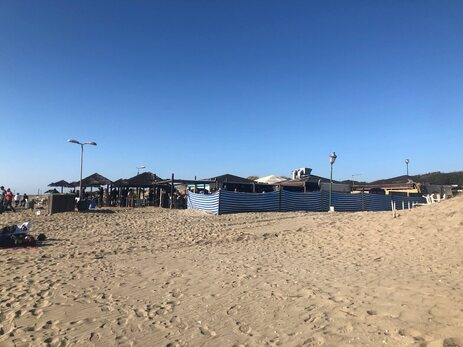
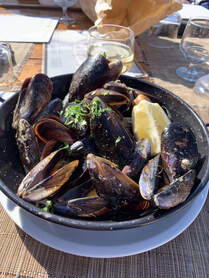
Once we arrived, the group trekked through the sand to the fully packed restaurant. The restaurant sat right off the ocean. We wasted no time ordering buckets of buttery mussels, which came and went from our table in rapid succession. We relied on our friend Morgan, who was the only one in an Italian class, to communicate with our non-English speaking waiter about what we craved. Rounds of seafood dishes arrived full of shrimp, tiny squids, and even octopus, and departed our table empty. Morgan’s Italian professor was correct; this was the best seafood any of us had ever eaten. Between bites, we celebrated these friendships, these opportunities, and the life we are all blessed to have. That was the true mission of Mollusk Weekend—to celebrate our lives and Rome bringing us together. After four hours spent dining, we walked directly onto the beach and dipped our toes in the freezing ocean. Italian families lounged in the sand, including one naked toddler who didn’t have a care in the world. We listened to classic songs, let our feet sink into the sand while playing football, and basked in the reality we were blessed to be living. After a while, the sun began to set, and we made our way back home with three bus rides, one train, one metro, and a swift walk home.
Ellie took this photo of one of our many rounds of mollusks.

​This weekend was coincidentally the last weekend before we needed to return home because of coronavirus fears in Italy. It reflects the best parts of Italy to me—a laidback lifestyle of slow dining, celebrating life and togetherness, and savoring moments because they could end at any time. Studying abroad was not what I expected, in the best and unanticipated ways. One can prepare for studying abroad, but the real beauty of studying abroad lies in the unknown and unexpected. Our pursuit of mollusks signifies my newfound love for Italy and the adventures it gave me, and I know in my heart that we’ll venture back to that beachside restaurant again someday.

--
Before the suspension of Spring 2020 study abroad programs, one of our social media interns, Journalism & Political Science major Hanna Ellington spent the Spring 2020 term at the University of Arkansas Rome Center with the help of the Honors College and the Fulbright Honors Sturgis Study Abroad Grant. 

Read more from Hanna at https://hannaellington.weebly.com/blog/life-liberty-and-the-pursuit-of-mollusks

Don't miss your opportunity to study or intern abroad! Start your search at http://studyabroad.uark.edu/search

23 April 2020

Last Day in Rome #HogsAbroad in Italy #ThrowbackThursday


So COVID-19 happened! Unfortunately my abroad program was suspended and we were forced to go home. It was very sad and most of us didn't even get a chance to say goodbye because everything happened so suddenly. I knew I would regret it if I did not go in the Castel Sant'Angelo before I went home because it was my favorite place in the city, so I went in! The view at the top was amazing. I miss this city every day and I cannot wait for the day I get to go back.

--
Before the suspension of Spring 2020 study abroad programs, Communication major Kayleigh Hughes spent the Spring 2020 semester abroad with the Global Studies Program at the University of Arkansas Rome Center with the help of our Office of Study Abroad Scholarship.

Don't miss your opportunity to study or intern abroad! Start your search at http://studyabroad.uark.edu/search/

25 February 2020

Orange You Glad I Didn't Say Banana? (Trip to Ivrea) #HogsAbroad in Italy


This weekend was one of the coolest weekends of my life! In northern Italy there is a teeny tiny town called Ivera. Ivrea has almost nothing to do except once a year they have a festival called Storico Carnevale di Ivrea. The festival consists of a battle that commemorates the city's defiance against their tyrant. The tyrant tried to rape a young commoner, Miller's daughter, on her wedding night. Miller's daughter instead decapitated him then stormed and burned his palace. Every year the citizens remember their liberation with the Battle of the Oranges. 9 teams of 4,000 people throw oranges at people riding in carts that represent the tyrants ranks.

When we got to Ivrea we were kind of nervous because there were no people in sight. We were the only people in the town, so we weren't sure how fun the festival would be. Then around 5:00 on Saturday THOUSANDS of people showed up out of nowhere and it was like a giant party. There was a street of carnival style food and I had about 10 hot dogs. I miss American hot dogs so much. There was music and a lot of family friendly fun. Everyone in the town dresses up in their teams colors and the night before the battle it is just a huge celebration.

The orange battle begins on Sunday. Everyone goes to their team's designated battle zone and grabs as many oranges as they can hold. I wish I could give you an idea of how many oranges they use, but it was too many for me to even guess. If you are not on a team you can wear a traditional red sock-hat so people know not to throw oranges at you. There are also nets strung along the entire city that you can stand behind, so you won't get hit. At first we stood behind the nets, but then we got brave enough to go in the battle zone. We thought we wouldn't get hit because we had the hats on, but there is no possible way to avoid it. Oranges are flying everywhere. Everyone stands in the square then waits for a cart full of people to ride through. The cart throws oranges at the people on the ground and the people on the ground throw oranges at the cart. When the cart gets on the square everyone goes crazy. People do not go easy! It is extremely intense.

The festival was awesome. We did not want to leave when we did. Luckily, we left just in time though! For the first time in history the festival ended early to prevent any possible spreading of Coronavirus. 

Overall this weekend was awesome and truly indescribable. 


--
Communication major Kayleigh Hughes is spending the Spring 2020 semester abroad with the Global Studies Program at the University ofArkansas Rome Center with the help of our Office of Study Abroad Scholarship.

Don't miss your opportunity to study or intern abroad! Start your search at http://studyabroad.uark.edu/search/

12 February 2020

School Trip to Tivoli #HogsAbroad in Italy


This week my class took a trip to Tivoli! One of the coolest parts of my abroad program is that sometimes we go on trips instead of having real class! I went to Tivoli in 7th grade and I remember it being one of the prettiest places I have ever been, so I was excited to make it back here. The pictures and videos do not do it justice at all. It is one of those places that have a certain vibe that you just have to be there to understand. If you ever go to Italy you should for sure visit Tivoli.

--
Communication major Kayleigh Hughes is spending the Spring 2020 semester abroad with the Global Studies Program at the University ofArkansas Rome Center with the help of our Office of Study Abroad Scholarship.

Don't miss your opportunity to study or intern abroad! Start your search at http://studyabroad.uark.edu/search/

03 February 2020

School Trip to Ostia! #HogsAbroad in Italy


Something really cool about my study abroad program is that we are not always stuck in the classroom. This week we got to take a trip to Ostia! A lot of the places we go are not the typical tourist sites, so it's cool that we get to see things that not many people know about. Ostia is very similar to Pompeii in the sense that it is a city of ruins. It was a fun trip.

--
Communication major Kayleigh Hughes is spending the Spring 2020 semester abroad with the Global Studies Program at the University ofArkansas Rome Center with the help of our Office of Study Abroad Scholarship.

Don't miss your opportunity to study or intern abroad! Start your search at http://studyabroad.uark.edu/search/

20 January 2020

I live in Rome???? #HogsAbroad in Italy

So I made it to Rome! I made a quick video about getting here and my first day here to explain everything, which I will put below. Rome is amazing. It is exactly what has been missing from my life. There is something new to see every day and I don't think I'll ever get tired of it. The people in my program think the same way I do and it is refreshing to be surrounded by people that see the world like I do. I don't even know how to describe it because everything is so amazing. Well I will put my video below and will keep you updated!


--
Communication major Kayleigh Hughes is spending the Spring 2020 semester abroad with the Global Studies Program at the University ofArkansas Rome Center with the help of our Office of Study Abroad Scholarship.

Don't miss your opportunity to study or intern abroad! Start your search at http://studyabroad.uark.edu/search/

13 December 2018

A Life Changing Experience #HogsAbroad in South Korea

Suwon
Everyone always says that study abroad is a life changing experience. I feel like I always hear people say the thing they regret not doing the most in college is studying abroad. I have always been independent, interested in other cultures, and like adventure. I figured studying abroad would be a good choice for me.

Initially, studying abroad is kind of scary. I chose the exchange program at Soonchunhyang University in South Korea. I did not know hardly any Korean before coming here, and I had also never been out of the United States or flown on a plane. This was a whole new experience for me. The culture in South Korea is significantly different than in the U.S. I was faced with many unexpected things when I first came here. People here do not say excuse me, and they don’t hold the door open for each other. Sometimes, people will stare at you if you’re obviously not Korean. Not in a bad way. They’re just curious.

South Korea also has a specific culture around age. If someone is older than you, you are supposed to show them respect. You’re always supposed to greet those you know in public, especially if they’re older. There is also reserved seating for the elderly and disabled on public transport. Confucianism has a large role in Korean society.

All this being said, I have some tips that I feel really helped me when I first came here. Tip #1: have some basic understanding of the culture you will be immersing yourself in on your study abroad adventure. It will help significantly when someone does something unexpected. Tip #2: be able to read the basic alphabet in the primary language of the country. It will help prevent you from getting lost (and help you when ordering food). Tip #3: be flexible, because things often do not go according to plan.

Being at the end of my study abroad experience now, I can definitely say it is life changing. It is not overrated or overhyped. All the societal norms seem like a lot to deal with, but it becomes easy to adjust once you have been in the country for a while. I would recommend a longer study abroad experience. I stayed for a semester, but I wish I would’ve stayed for a year. It takes a while to adjust. I thought I wouldn’t get homesick, but I did. Those graphs that they show you in study abroad seminars that show a typical student’s adjustment phases are actually pretty accurate. I feel like I have grown a lot as a person since coming to South Korea, and I know the things I have experienced here will help me to continue to grow in the future.

--
Senior International Studies major Meaghan Neely is spending the fall 2018 semester in South Korea with our U of A Exchange: Soonchunhyang University, Asan Chungnam program with the help of our Office of Study Abroad Scholarship.

Don't miss your opportunity to study or intern abroad! Start your search at http://studyabroad.uark.edu/search/

29 October 2018

Feeling at Home #HogsAbroad in Morocco

Hi! My name is Avery Phillips, and I am a Fulbright Honors student, majoring in International Studies with a concentration on Middle Eastern Relations and Arabic. For the academic year 2018-19, I am studying abroad in Meknes, Morocco.

Since arriving, I have felt at home with the other students and a host family that has welcomed me with open arms. The first week upon arriving, we traveled across Morocco, which was both riveting and exhausting. Then we jumped into classes - the classes here are in a much more condensed format than those in the States, so the work load for courses is typically heavier. The classes are an average of 10 students, and the professors prefer an interactive classroom dynamic.

Travelling around Morocco is incredibly cheap!! Coffee starts at $1 and trains run for $2-3. Exploring different foods and cities within Morocco has been a delight. (Flights to Europe are really cheap also!!) The food in Morocco is heavily meat oriented, but being a vegetarian has been feasible. There is a lot of really delicious couscous, which is usually a celebratory meal every Friday, the holy day for Muslims.

If you’re considering traveling to Morocco, keep in mind that it is a patriarchal monarchy. The social dynamic is much different than in the States. Men dominate most social places and street harassment is common. That being said, I have yet to feel unsafe, rather just a frustration with the different dynamic.

Morocco is a beautifully diverse country with anything from beaches to mountains offered to visitors. The hospitable, welcoming nature of the culture is truly one to indulge in, and I have personally felt so much joy experiencing it!
--
Sophomore International Studies major Avery Phillips is spending the 2018-19 academic year in Morocco with International Studies Abroad (ISA). Learn more about Avery's ISA program in Meknes, Morocco.

Don't miss your opportunity to study or intern abroad! Start your search at http://studyabroad.uark.edu/search/

11 September 2018

Meet One of Our Study Abroad Peer Advisors: Micaela Chamon

Hola a todos! Salut tout le monde! Hey everyone! My name is Micaela Chamon and I am a senior here at the University of Arkansas. I’m an international student from Bolivia, majoring in International/Global Studies, Political Science, and French, with a minor in Latin American Studies. Travelling has always been my favorite thing to do, so going to a college in a different country was always the plan and studying abroad for a semester was a no-brainer. I spent this past Spring in Lyon, France, with University Studies Abroad Consortium (USAC).

When people say studying abroad changes you, they aren’t kidding. I did a cultural exchange in high school in France, studied abroad in France, and interned abroad in Hungary. Every single one of those experiences were unparalleled. I learned so much about the local cultures and customs, but the most shocking thing is how much I ended up learning about myself.
Usually the first thing that comes to mind when anyone talks about France is Paris and the Eiffel Tower. Not to say that Paris isn’t great (I went like 7 times during my 5 months in France), but Lyon is a hidden gem. Lyon is the gastronomy capital of France, so yes, the food at the local restaurants called “Bouchon Lyonnais” was AMAZING, and there is nothing like stopping by the bakery on your way to class for a pain au chocolat or a croissant.
Paris shows up in countless films, but what’s really cool is that Lyon practically invented movies. Auguste and Louis Lumière, both born in Lyon, are credited with creating the first film camera (the cinematograph) in 1892. So, there is a museum/cinema dedicated to them, and their work, in Lyon, where you can spend hours exploring and learning more about the evolution of the film camera. 

My two favorite parts of Lyon where the rivers and the parks. The Rhone and the Saone both pass through Lyon and actually meet up in the district of Confluence. As it started getting warmer, we started to realize that people gathered on the banks of the rivers to picnic for hours with some cheese and wine every afternoon, and it was definitely what all of the students looked forward to after class. As for the parks, the Parc de la Tête d'or, which literally translates to the Park of the Golden Head, was the prettiest place to spend time outside. It has a little zoo on one side, a pond on the other, a running/bike trail, and endless amounts of trees.
Although Lyon was amazing, I took advantage of every weekend I could and tried to visit other cities in France, as well as other countries in the region. I was able to hit 16 countries and 31 cities. Studying abroad can be very scary, travelling alone can be terrifying, but if there is something I learned while being in Europe it is to take every day at a time because nothing is as bad or as scary as it may sound. Visiting other countries opens up your knowledge of the world in innumerable ways, the people you meet will definitely be unforgettable, and the memories you make will stay with you forever.
--
Come meet Micaela and the other peer advisors for a HogsAbroad 101 drop-in session at the Study Abroad House! Come to the office weekdays from 3-5 pm to get all the study abroad basics. Peer advisors are available to help you review your options for study abroad and start searching for a program.

15 August 2018

Living in a Water Crisis #HogsAbroad in South Africa

happy monday!

well, i have been in cape town for two weeks now and i’m honestly dreading the day i have to leave in four weeks. but, here is to another month of classes, papers, and fun adventures!

the city is beautiful, each district filled with different cultures, architecture, and history. while cape town itself is filled with a dark history, it has been a journey learning more about it; i believe this aspect has added an important layer of depth and complexity that has only benefited my time here. but that’s a story for another day.

onto the subject! the water crisis!

for those who do not know, Cape Town is in the middle of an extreme drought; it is the first city in the world to come close to fully running out of water. originally, when i knew i would be spending my summer here, “Day Zero” (the day the city was bound for completely being without water) was set for September 2018. Due to rationing and the current rainy season, “Day Zero” has been set for late 2019, or maybe even into 2020. bless the rains.

because of the need to conserve water, each person living in Cape Town has been rationed to use around fifty liters of water per day. to put this in perspective, the average American shower is eight minutes long and uses sixty-five liters of water. so, obviously, coming from a country that is not in a water crisis, there are a lot more habits to put in place. in our dorm, we are not monitored by how much water we use, but it’s kind of an understood rule: do not use all the water.

to be honest, i feel a definite awareness of being a foreigner using the resources of a country in crisis. i do not necessarily feel guilt per se, but this feeling of: “it is a privilege to study here and you must respect their circumstances. you are not entitled to the fullness of resources.” i mean, yes, i need to shower and drink water, but there is a certain level of respect i much have as a guest in this city.

day – to – day, i am conscious of my water usage. a lot of conservation is in the little things that you do not really think about. for example: not leaving the water running while brushing your teeth, washing your face, or washing dishes. a simple trick is also using hand sanitizer instead of soap and water to wash your hands. other things we are asked to do are only doing laundry once a week and when we do, to either have a big load or pair up with other people… and obviously, take short showers. and i am not talking five minutes short… i am talking like, two minutes. maximum. i am slowly but surely getting the hang of this one.

even in the shower, there is still conservation. in the dorms, we put buckets on the floor of the shower. while waiting for the shower water to heat up, the excess water that falls in the bucket goes into the kitchen sink for washing dishes. but while you are actually taking a shower, you must switch out buckets for the “gray water” bucket. this “gray water” bucket becomes filled with excess shampoo, body wash, and water. we use the gray water to manually flush the toilet as one automatic toilet flush uses anywhere from six to thirteen liters alone. yes, i know this is kind of gross to talk about, but we gotta do what we gotta do. again, as this country’s guest, there is extra responsibility to respect the city’s circumstances.

adjusting to the water crisis has been a little easier than i originally perceived it would be. a lot of times, the line between need and want is quite clear when you learn what you are actually capable of living on.

while the “Day Zero” situation is becoming more hopeful, it is far from being finished. while riding in an Uber the other day, i heard a water report over the radio. the radio host’s concluding words perfectly summed everything up: “yes, we are having rain. things are getting better. but we must keep going. the crisis is far from over.”

--
International Studies major Layne Coleman spent the Summer 2018 term in South Africa.

Read more from Layne at https://lifeoflaynecoleman.wordpress.com/

Don't miss your opportunity to study or intern abroad! Start your search at http://studyabroad.uark.edu/search/

05 August 2018

I Thought This Week Would Be Easier to Sum Up #HogsAbroad in South Africa

well, as of tomorrow at 9:51am, i will have officially been in cape town for one week! i honestly thought that when i would write this post, all i would have to say was: “great first week! these are pictures of the people i’ve met and the cool touristy things i’ve done! yay traveling!”

and while all of those things are true and i will talk about the fun things i’ve done, that is only the surface. if we’re being completely honest, this week has been extremely stretching: emotionally, mentally, spiritually, insert adverbs here…

i guess before i explain a little how this week has been stretching, i want to clarify that i am in no way trying to gain pity. being stretched is good! being stretched is real! i also don’t want to portray this experience thus far as disappointing, or even unenjoyable because that is not the case: this week was a great start to what i will most likely call “one of the greatest journeys of my entire life.” i will also note that i prayed to be stretched and spent. when studying Jesus’s words, “ask and you shall receive,” i think i somehow disillusioned myself into thinking that He will not deliver in fullness at the time in which He declares…. which we all know is far from the truth. so, for these six weeks, i prayed for growth, understanding, and to be stretched like never before. i couldn’t help but laugh at myself when the middle of this week hit and i was wondering why i was feeling discomfort. it was in that moment when i could hear the Lord whisper, “this is when the real faith begins. don’t shove what you are feeling back down. push through the discomfort.” that statement is becoming a daily reminder, and sometimes even hourly, depending on the day. and i think ultimately at the end of the day, it is still a challenge from the Lord: “do you trust who I say I AM? will you choose Me?”

now to actually describe the discomfort. i don’t think i have actually told many people the classes i am taking here, but they! are! really! cool! i am taking a class on Poverty + Development in South Africa, as well as having an internship with a local non-profit organization (more on that to come!). in my poverty + development class, we immediately began tackling the hard conversations, topics, and even had to work through extremely tense moments as a class. i really won’t go into details about these discussions because it would take a lot of time, but i will say that, what i believe, what i think, and even how i think has been challenged — but all for productive means and long-term benefits that i can’t begin to fathom right now. and i am becoming okay with that.

moving on from my classes (which i will definitely write more about later on), on to the fun things! this week, outside of class, i have made/deepened friendships, written papers, explored different districts of the city, gone to the top of Table Mountain, toured a township right outside of the city which was followed by a traditional south african BBQ…

honestly, there’s not really a good way to explain what i’ve done through words so….
here is the view from the apartment balcony!
you can see Table Mountain National Park in the distance with the Rondebosch district below. I spend most of my time in Rondebosch because this is where our group lives + takes classes.
on wednesday after our first morning of class, our entire program took a walking tour of the Central Business District and the beautiful Company Gardens! here is another glimpse of Table Mountain from the Gardens: the entire city is basically centered around the mountain so it is never really out of sight!

wednesday afternoon/night, my friends and i took the cable car up to the top of Table Mountain since it was a clear and beautiful day! for those who don’t know, it is currently the winter season in south africa so it is a little chilly and rainy quite often! the best time to do anything outdoors is to wait for the clear and sunny days that are unpredictable.

i was in awe as we reached the top of the mountain. i honestly felt as though i was weightless at the top of the world… it was also a mesh of feeling small, but limitless. like, i have nothing to bring the Lord, but He still allows me to bask in His glorious creation? it’s humbling, yet empowering… actually maybe this is more of a “you had to be there” to understand kind of moment. idk.

i also made friends! wowowowow these girls are freaking fantastic. who would have thought that after only seven days, i would have created long-lasting friendships?? i definitely did not think so at first. kaitlyn, haley, becca, elizabeth, and mia, you all have surprised me in the best way possible!

i guess these photos portray the real aspect of why i am in south africa… taking classes. the picture above was taken at a hole in the wall coffee shop my friends and i went to in the Observatory District of Cape Town on Thursday night. not the most fun thing we could have been doing, but there was such a relaxing/peaceful feeling about escaping Rondebosch and drinking coffee/eating fifty percent off pizza in the local neighborhoods of the city.

Friday, we went to the Cecil Rhodes Memorial Restaurant for lunch and had class overlooking the city (photo above). not a bad view for a cold + rainy day with class in session.
on Saturday, our group traveled to the Langa Township and received a tour! the people of Langa were extremely kind and i am very grateful that they allowed us to enter their homes and communities. i learned a lot about townships and the various communities of cape town due to the apartheid era through this tour, but that merits a blog post of its own. soon to come. swear.

after this, we had south african bbq and it. was. delicious. i apologize in tenfold for not taking a picture of the food.

well, if you made it to the end of this, congratulations are in order and also thank you for reading what i have to say. i am definitely not an expert on anything i have discussed and will continue to discuss, but i am growing in knowledge and am trying my best!

upcoming posts (hopefully):

-what’s it like to live in a city that has a water crisis?

-how can i see the effects of apartheid twenty (ish) years later?

-the complexity of south african society

-leaving my christian bubble

-the adventures of twenty-somethings trying to do touristy things without being stereotypical american tourists

and the clock just stroke midnight! happy monday 

--
International Studies major Layne Coleman spent the Summer 2018 term in South Africa.

Read more from Layne at https://lifeoflaynecoleman.wordpress.com/

Don't miss your opportunity to study or intern abroad! Start your search at http://studyabroad.uark.edu/search/